Русский
 中文
 España
Introduction: What Is Cone Crusher "Overspeeding" (Flying Shaft)?
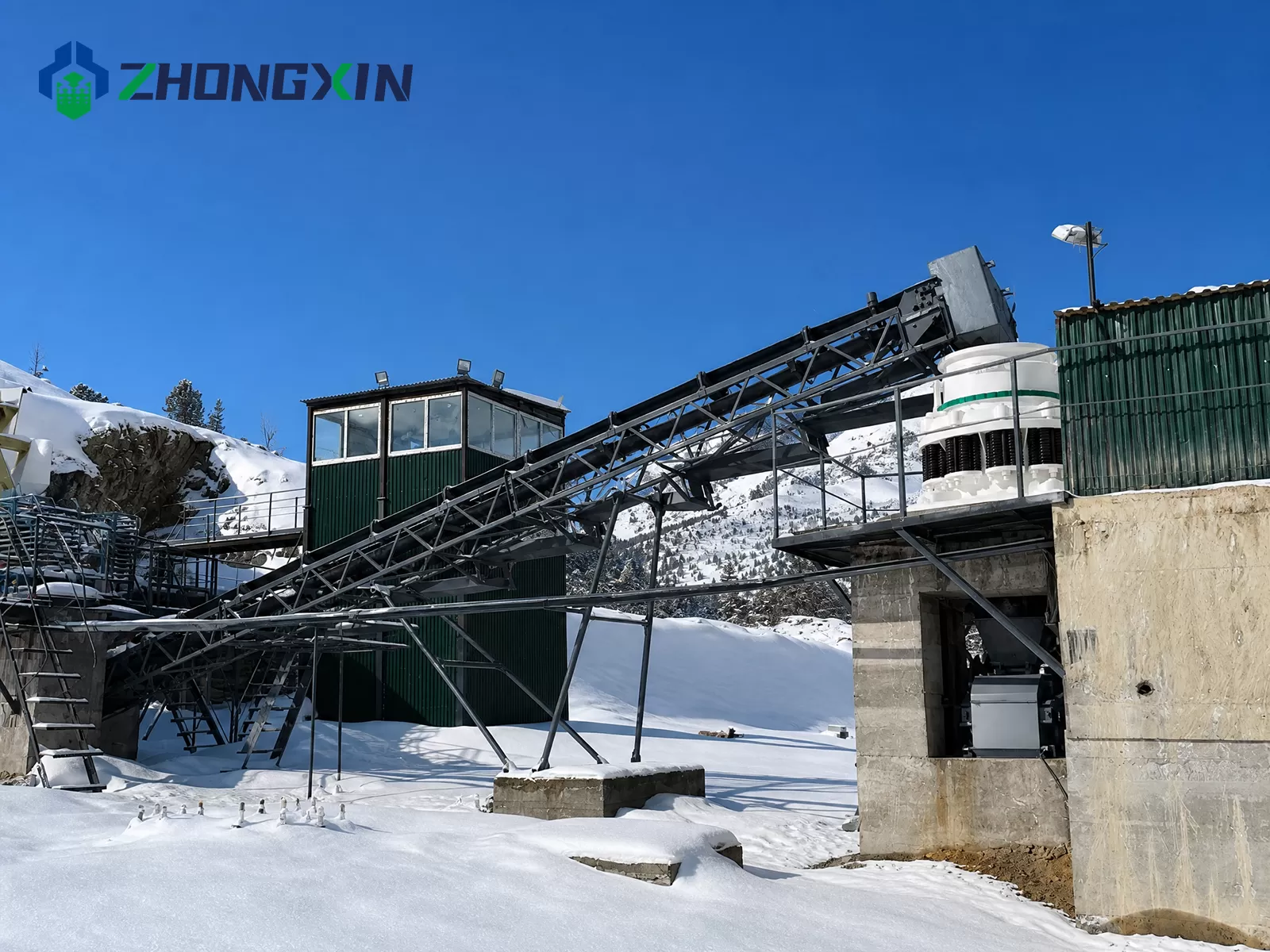
During standard aggregate and mineral processing operations, a spring cone crusher maintains a stable mantle rotation speed of approximately 3--5 r/min under normal loading conditions, and less than 15r/min under no-load idling. However, operators occasionally encounter a severe mechanical failure known in the industry as "overspeeding" or "flying shaft" .
During an overspeeding event, the mantle (moving cone) begins rotating at uncontrolled high speeds. This phenomenon is accompanied by violent machine vibration, leaping safety springs, a rapid spike in motor current, and a sharp rise in return oil temperature. If not addressed immediately, overspeeding breaks down the protective lubricating oil film, causing localized overheating, burning of the bronze bushing, oil leakage, and in extreme cases, catastrophic main shaft seizure.
Technical Mechanics Behind Cone Crusher Overspeeding
The mantle assembly of a spring cone crusher rests upon a spherical bearing (bowl liner). The continuous rotation of the mantle is governed by a balance of frictional forces:
Restraining Torque: The frictional torque generated between the crushing body and the spherical bearing.
Driving Torque: The frictional torque generated between the main shaft and the eccentric bronze bushing.
Under normal operational equilibrium, the restraining torque from the spherical bearing suppresses the driving torque from the main shaft and eccentric sleeve, allowing the mantle to rotate at a controlled, low speed. When the restraining torque decreases or the friction between the main shaft and the bronze sleeve spikes drastically due to heat, friction, or contamination, the mantle loses balance and spins rapidly with the eccentric sleeve—triggering an overspeed condition.
Detailed Root Cause Analysis of Cone Crusher Overspeeding
1. Lubrication System Failures (Most Common Factor)
Dust Contamination & Dust Seal Failure: Damaged dust seals allow abrasive rock dust and fine particles to invade the lubrication system. This breaks down the lubricating oil film, inducing dry friction between the main shaft and bronze bushing.
Insufficient Oil Supply & High Temperatures: When return oil temperatures exceed 60°C, oil viscosity drops significantly. This prevents the formation of a stable hydrodynamic oil film.
Oil Emulsification & Deterioration: Water ingress or aged, degraded lube oil destroys film strength, causing metal-to-metal contact.
Foreign Debris: Hard particulate matter entering the lubrication circuit scratches the main shaft surface and ruptures the oil film.
2. Spherical Bearing (Bowl Liner) Issues
Excessive Wear & Flattened Oil Grooves: Severe wear on the bowl liner flattens oil grooves and lowers the entire moving cone assembly. This reduces the clearance between the main shaft and the eccentric bushing, resulting in localized heat buildup, lubrication breakdown, and overspeeding.
Improper Scraping & Contact Defect: Inadequate scraping of the spherical bearing during maintenance causes poor surface contact with the crushing body, failing to provide sufficient restraining friction.
3. Main Shaft and Eccentric Bronze Bushing Fit Problems (Core Cause)
Insufficient Assembly Clearance: Tight assembly tolerances lead to thermal expansion during operation, causing high-temperature dry friction and oil film destruction.
Bushing Deformation or Cracking: Deformed or cracked bronze bushings create irregular point contacts against the main shaft, causing intense localized heating.
Bushing Migration (Upward Displacement): Loose bushings that migrate upward alter the operational position, skewing the designed clearance with the main shaft.
Scratched Main Shaft: Unrepaired scratches or galling on the main shaft rough-up the contact surface, accumulating bronze particles and increasing friction.
4. Operational Errors, Tramp Iron, and Overload Conditions
Intermittent Feeding: Non-continuous feeding creates mechanical impacts on the main shaft and bronze sleeve, disrupting the oil film.
Tramp Iron Ingress: Uncrushable tramp metal entering the crushing chamber triggers safety spring jumping. The violent impact can shift internal components or loosen the bronze bushing.
Frequent Overloading & Chamber Choking: Operating beyond rated capacity squeezes out the oil film and elevates oil temperatures. Choking deforms internal components and ruins precision running clearances.
Uneven Material Distribution: Segregated or off-center feeding creates unbalanced lateral forces on the mantle.
Over-Sized Feed Particles: Supplying feed material larger than the maximum allowable size causes continuous mechanical overload.
5. Mechanical Misalignment & Wear
Wear on Eccentric Plate Assemblies: Severe wear on upper, middle, or lower eccentric plates causes the eccentric sleeve to tilt, severely worsening the alignment between the main shaft and the bronze sleeve.
Crushing Body Spherical Surface Wear: Worn spherical surfaces cause mantle sags, diminishing internal mechanical clearances.
Preventive Maintenance & Troubleshooting Best Practices
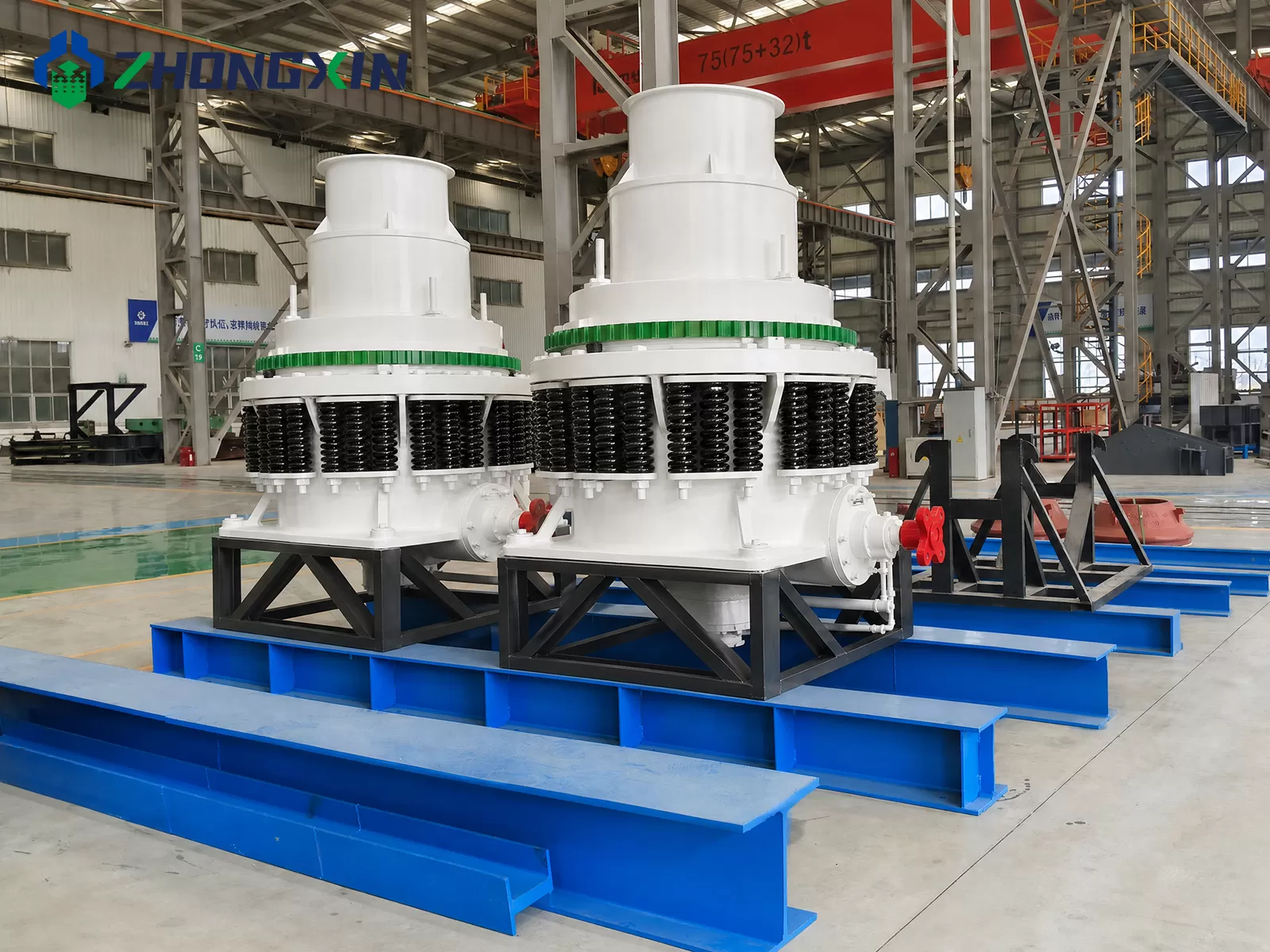
To ensure long-term mechanical reliability and prevent catastrophic component damage, crushing plant operators should adhere to the following maintenance protocols:
Immediate Shutdown Strategy: At the first sign of abnormal mantle rotation, unusual noise, or leaping springs, stop the crusher immediately under load. Never allow the machine to run during an overspeed event to prevent bronze bushing burn and shaft seizure.
Precision Maintenance Audits: During routine overhauls, inspect the spherical contact of the bowl liner, verify main shaft to bronze bushing clearances, check bushing seating positions, and replace worn dust seals.
Real-Time Operational Monitoring: Continuously monitor feed oil pressure, return oil temperature, motor operating current, feed size distribution, and choke-feeding uniformity.
Tramp Iron Protection: Install high-intensity magnetic separators and tramp metal detectors on feed belt conveyors to eliminate uncrushable objects prior to the crushing chamber.
FAQ
Q1: What should I do immediately if my cone crusher experiences overspeeding ("flying shaft")?
You must stop the crusher immediately. Continuing to operate during an overspeed condition will break the oil film, burn the bronze bushing, and cause the main shaft to freeze (seize), resulting in costly downtime and extensive repairs.
Q2: Why does high lubricating oil temperature cause cone crusher overspeeding?
When the lubricating oil temperature exceeds 60°C, its viscosity decreases sharply. The thinned oil cannot maintain a sufficient hydrodynamic oil film between the main shaft and the eccentric bronze bushing, leading to metal-to-metal dry friction and uncontrolled mantle rotation.
Q3: How does tramp iron ingress trigger cone crusher overspeeding?
When tramp iron or uncrushable debris enters the crushing chamber, it forces the safety springs to jump. The severe shock load can cause the bronze bushing to loosen or migrate upward, altering precision clearances and disrupting the protective oil film.
Q4: How often should dust seals and lubrication oil be inspected on a spring cone crusher?
Lubrication oil quality and oil filter indicators should be checked daily. Dust seal integrity should be inspected weekly. Clean lube oil free from moisture and rock dust is essential for preventing premature bronze bushing wear and overspeeding.
Q5: What is the ideal mantle rotation speed for a spring cone crusher?
Under normal crushing load, the mantle should rotate at approximately 3--5r/min. During no-load idling, the rotation speed should stay below 15 r/min. Any rotation speed significantly exceeding these benchmarks indicates an impending overspeeding fault.
Reliable Mining & Crushing Equipment Solutions by Jiaozuo Zhongxin
Jiaozuo Zhongxin Heavy Industrial Machinery specializes in manufacturing heavy-duty crushing, grinding, and screening equipment engineered for severe mining and quarrying environments. We provide complete technical support, OEM spare parts (including high-lead bronze bushings, bowl liners, and main shafts), and site inspection services worldwide.
Contact our engineering team today for technical consultations, customized flowsheets, and factory-direct replacement parts!