Русский
 中文
中文 España
 WhatsApp
 WeChat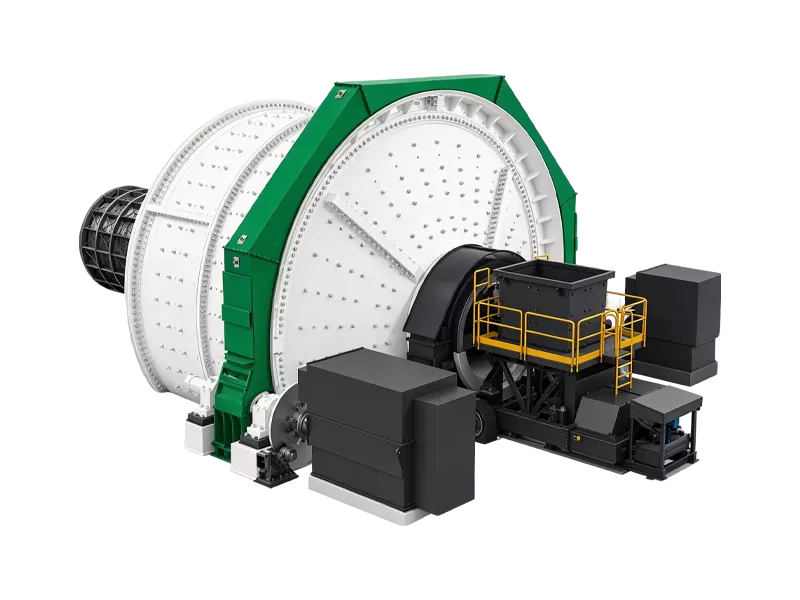

Ore Grinds Ore, No Media
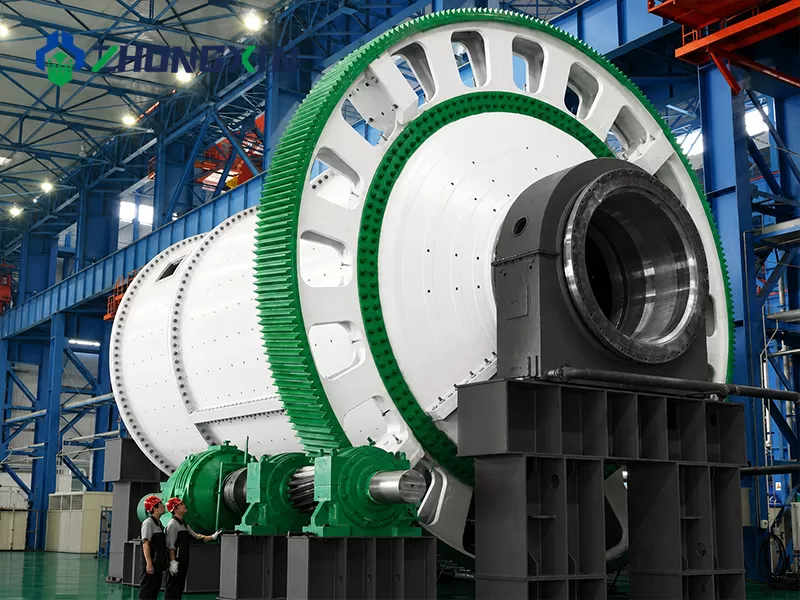
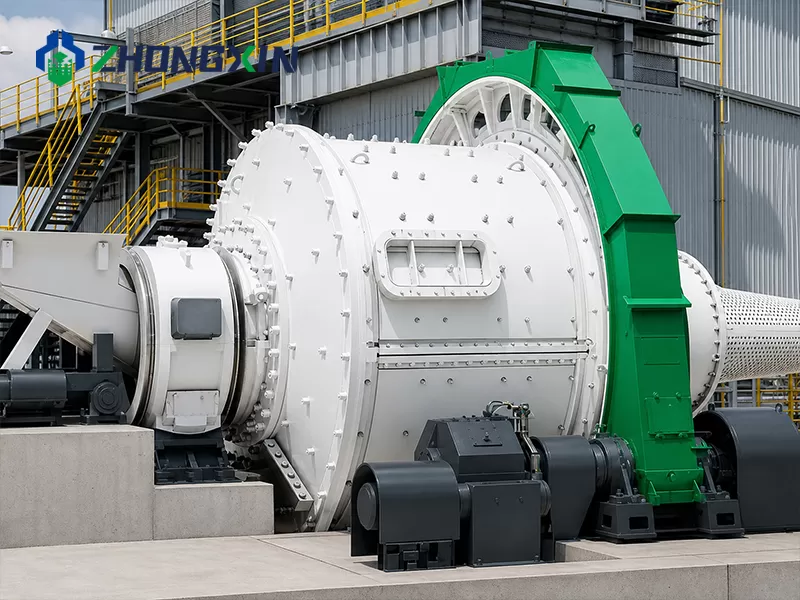
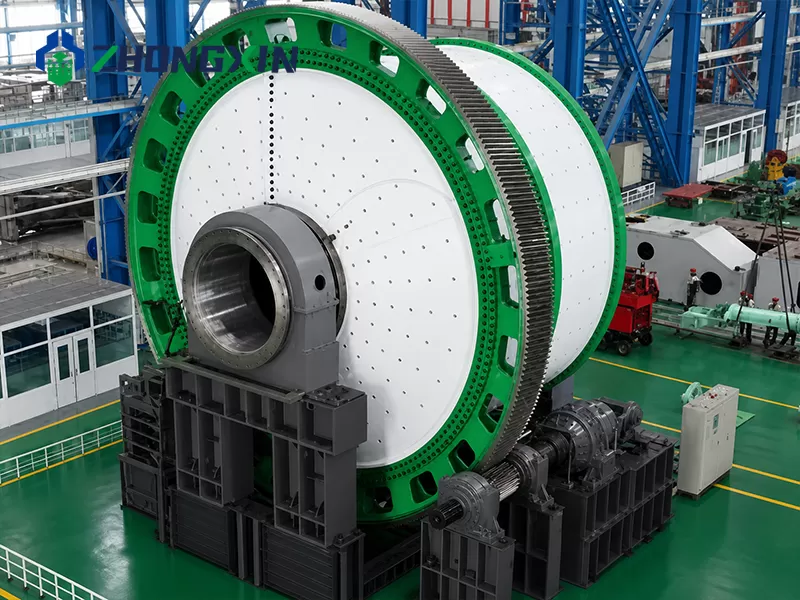
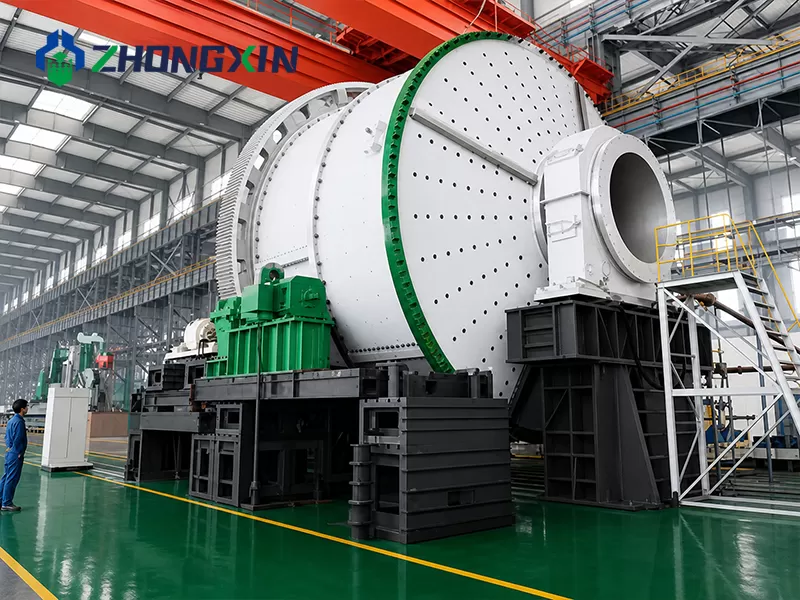
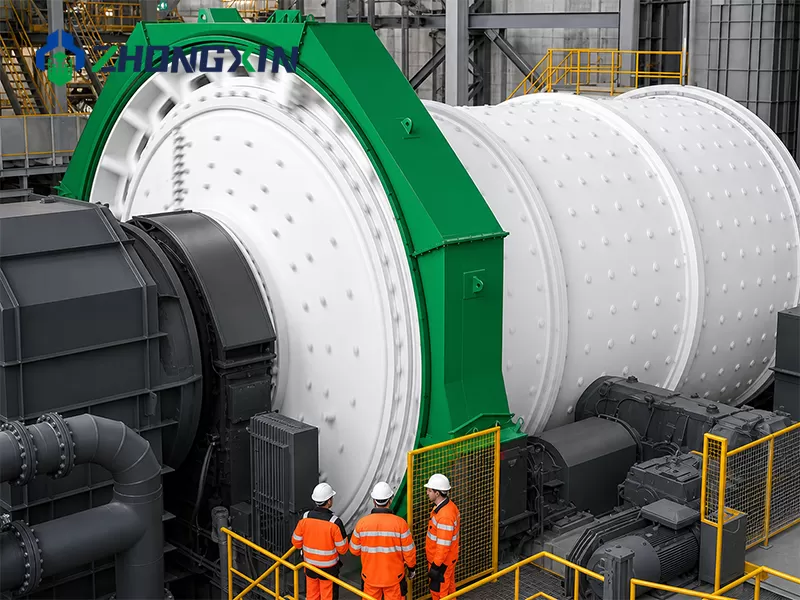
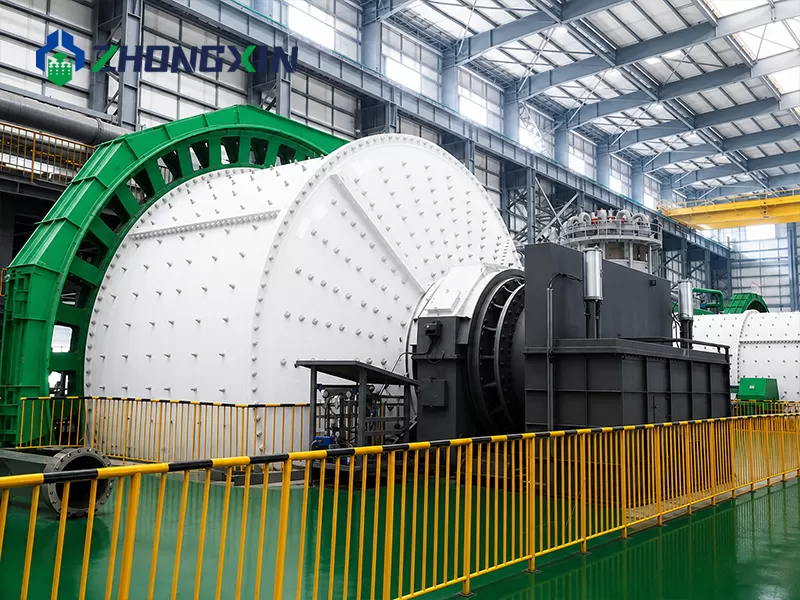
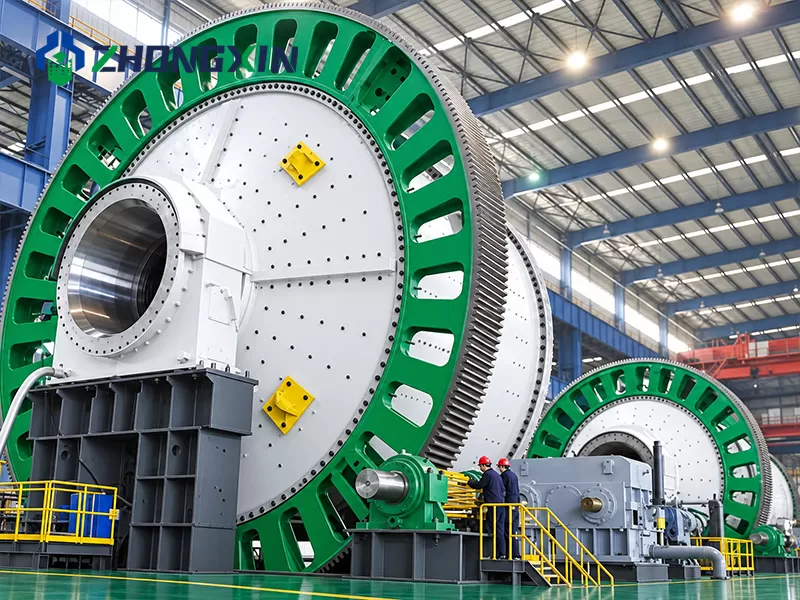
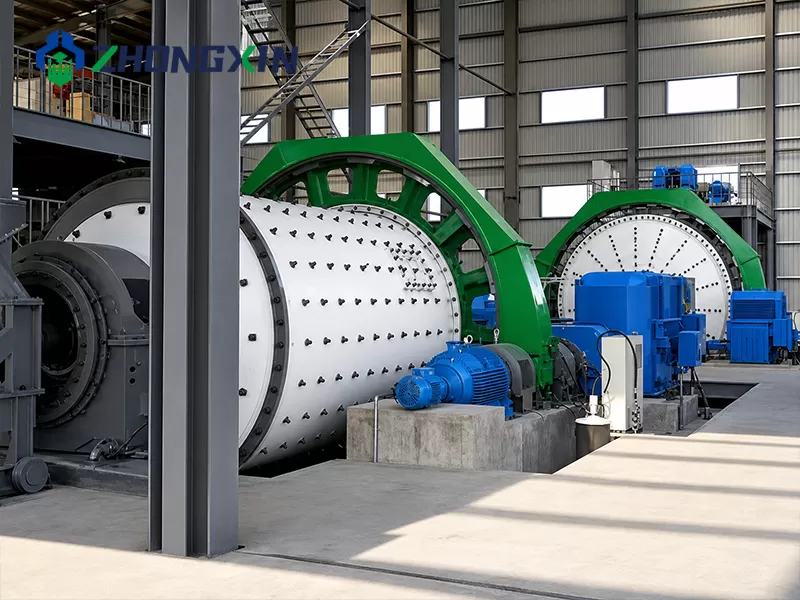
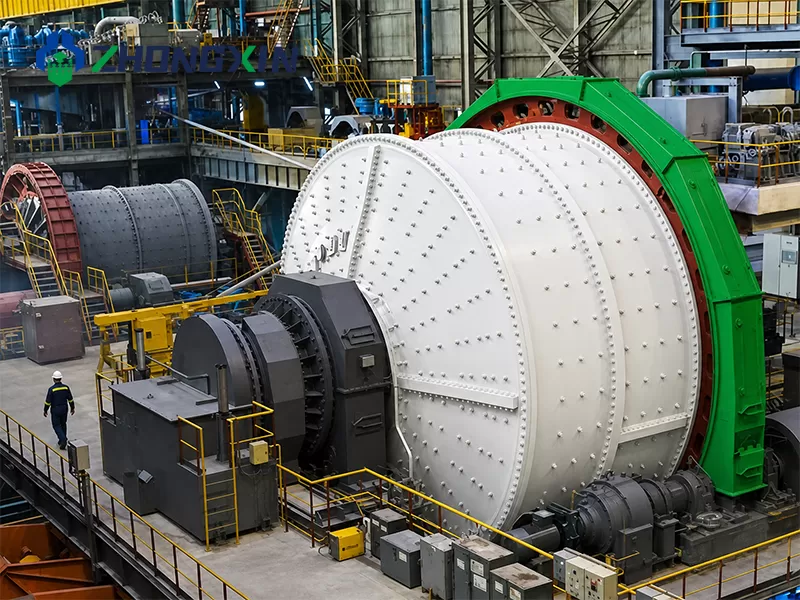
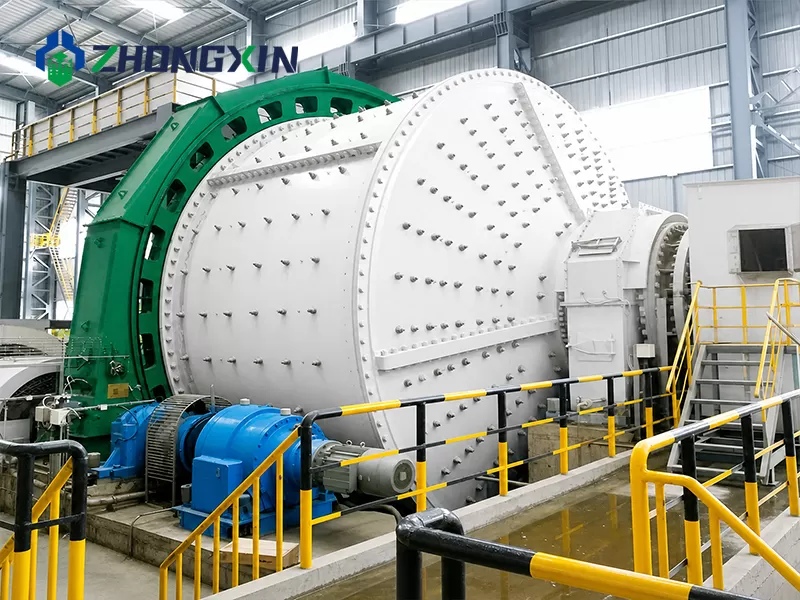
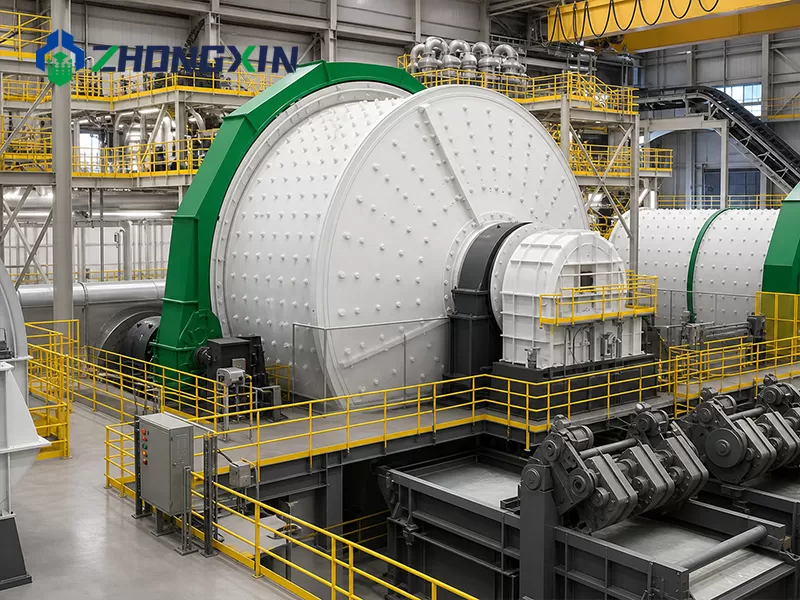
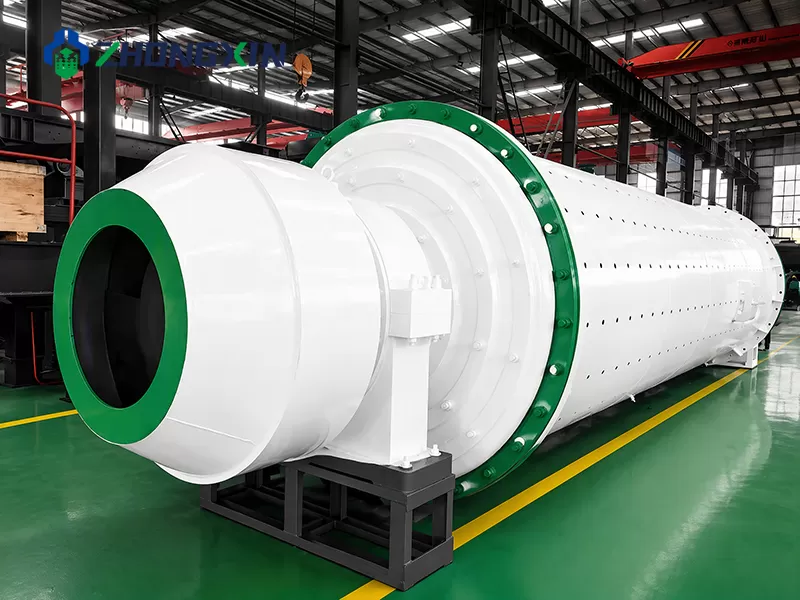
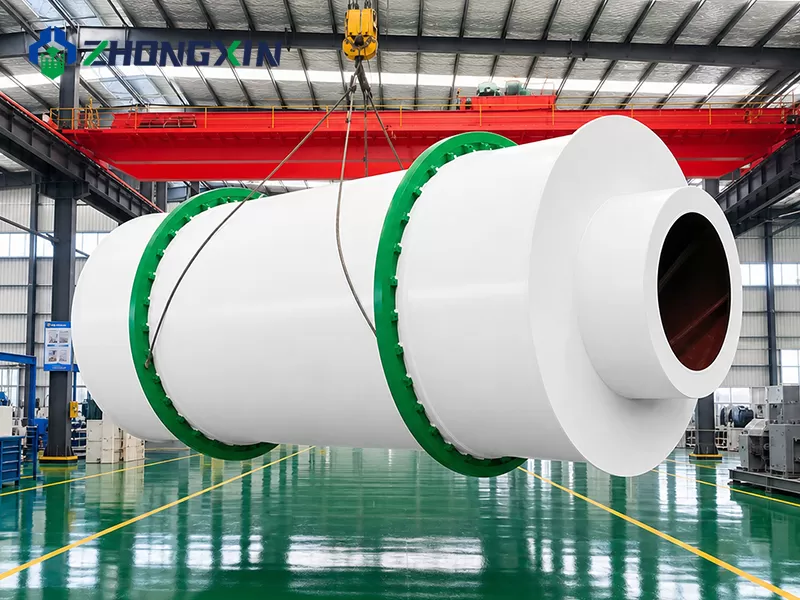
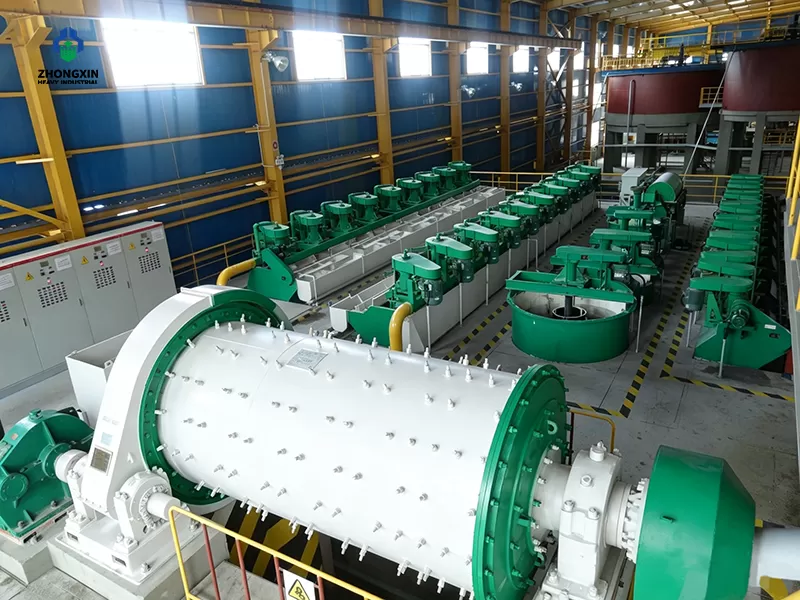
The barrel body of the autogenous mill is larger than a ball mill barrel, and it holds no steel balls and no other grinding medium. The crushed material inside the barrel is the grinding medium, and it keeps impacting and grinding itself until the target size is reached. One machine does the work that a rod mill and a ball mill would do in series.

Low Energy, No Dust
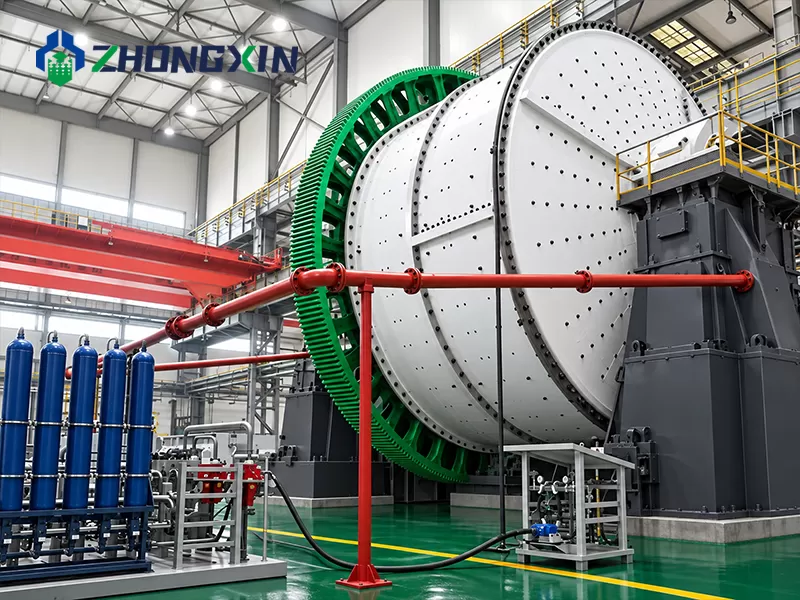
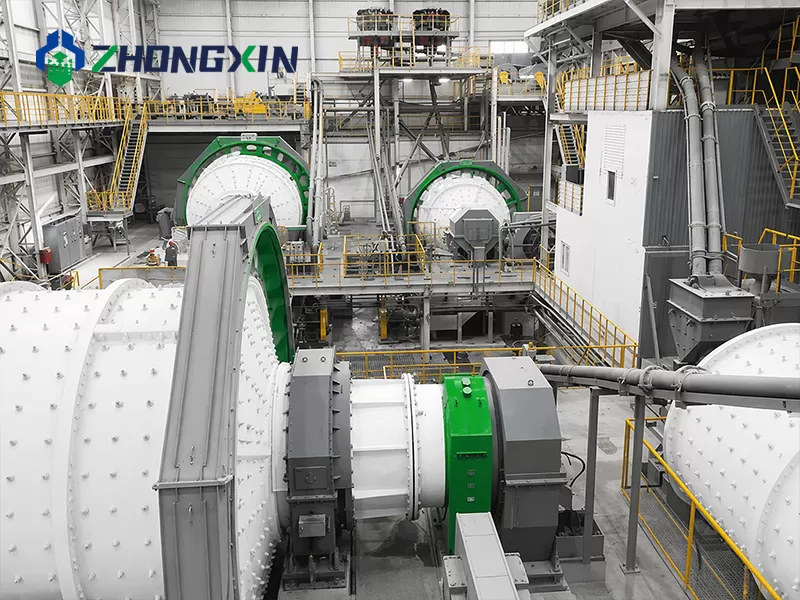
Energy consumption is low, there is no dust pollution, and fewer auxiliary equipment are needed around the mill. The circuit is easy to automate, so production runs with simple controls instead of a long train of conveyors, screens and transfer points. The closed wet process also keeps dust inside the slurry stream instead of in the air.

400 mm Feed to 0.1 mm
Feed particle size is 300 to 400 mm, and the standard models accept up to 400 mm at the inlet. After the first autogenous grinding, the output product is below 0.1 mm, and the particle size distribution stays uniform. That single pass removes the need for a separate fine crushing and screening stage ahead of grinding.

Built for Muddy, Wet Ore
The autogenous mill is suitable for ore with a high content of mud and water, the material that chokes jaw and cone stations and blinds screen decks. Grinding happens in water, so sticky fines move through the barrel as slurry rather than building up on the equipment. Floor space is small, and the investment is low compared with a staged crushing plant.

Semi-Autogenous Option
When more processing capacity is wanted, a small number of steel balls can be added to the barrel, usually accounting for 2 to 3 percent of the effective volume of the mill. This configuration is also known as a semi-autogenous mill. The same drum, the same drive and the same foundation carry both duties, so the choice can follow the ore.
Autogenous Mill: 5 Key Features
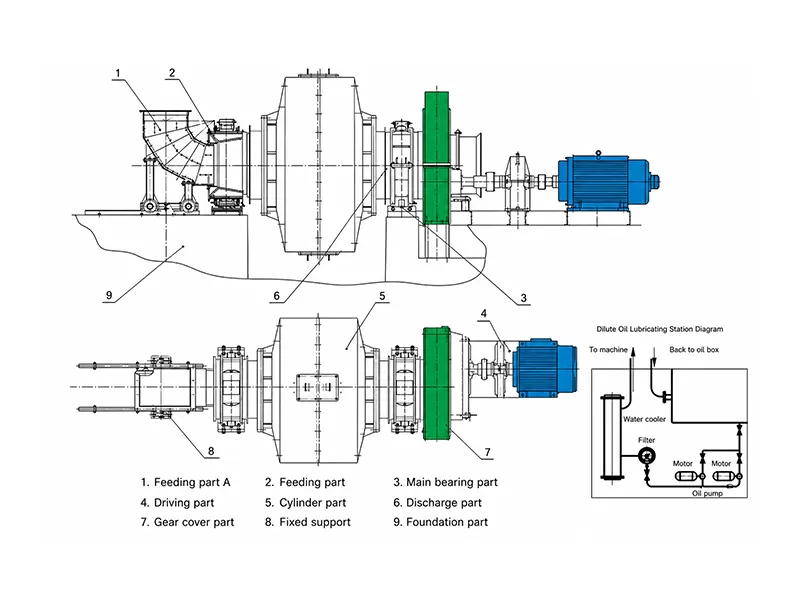
The autogenous mill stands out in five areas: grinding media, energy and dust, feed and product size, ore conditions and the semi-autogenous option. Each point below covers what it means on a running grinding circuit, not just on a specification sheet. The figures behind them come from the standard model range, so you can check them against your own ore, feed size and target product size. Together they explain why one autogenous mill replaces a whole crushing and grinding stage.