Русский
 中文
中文 España
 Length of outer cylinder (m): 4-10
 WhatsApp
 WeChat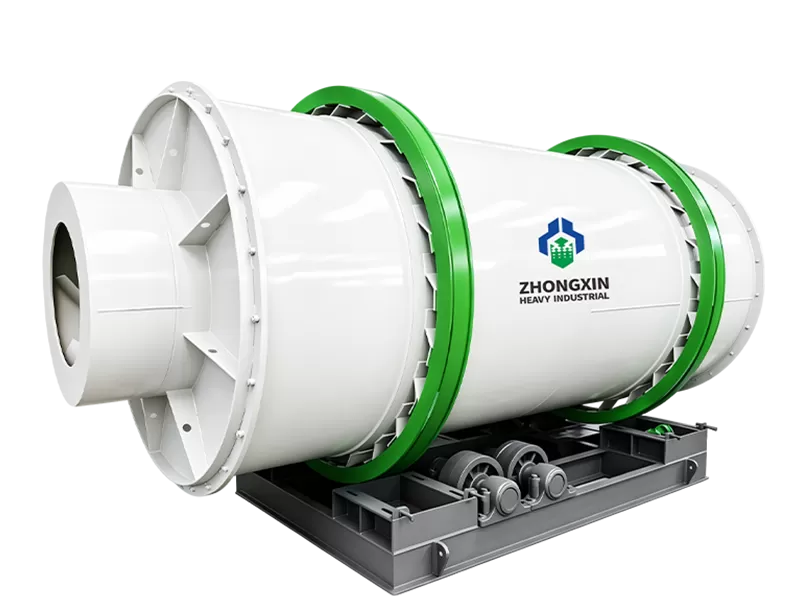

Heat Utilization above 80%
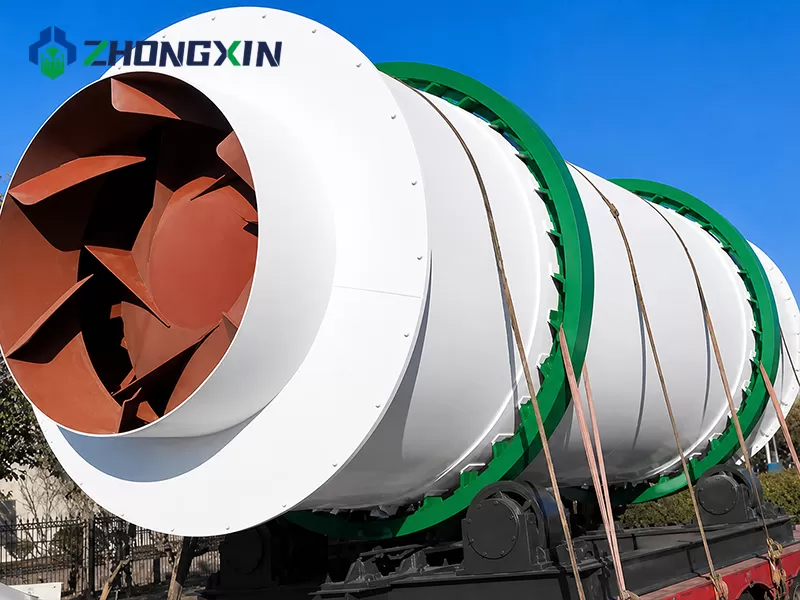
Material enters the inner drum, crosses to the middle drum and finishes in the outer drum, so it meets hot gas three times instead of once. Lifting plates keep throwing it through the gas stream and the contact time adds up, which lifts heat utilization above 80%.

30% to 50% Energy Saved
The three-pass layout does most of the saving and the multi-layer insulated drum wall holds the rest. Heat that would leave a single drum through the shell stays in the drying zone. On the same duty, fuel use drops 30% to 50% and the waste gas load falls with it.

Three Drums in One Shell
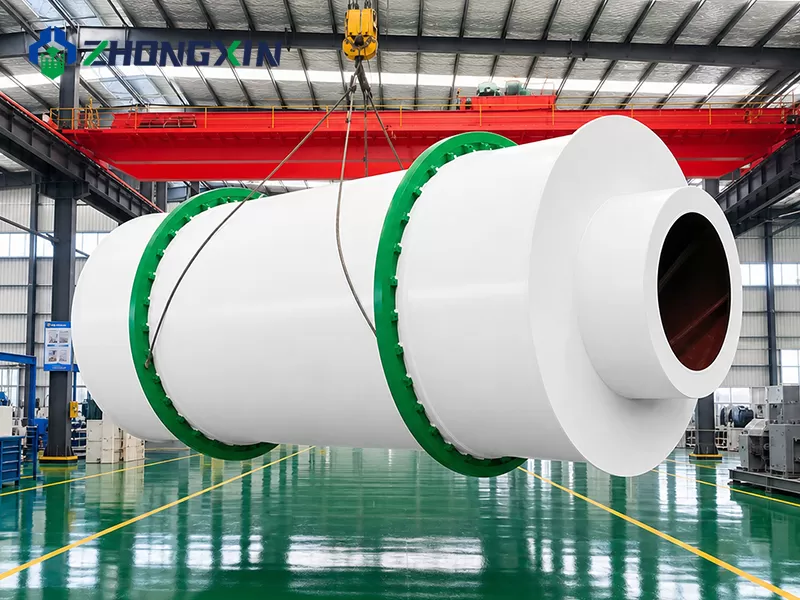
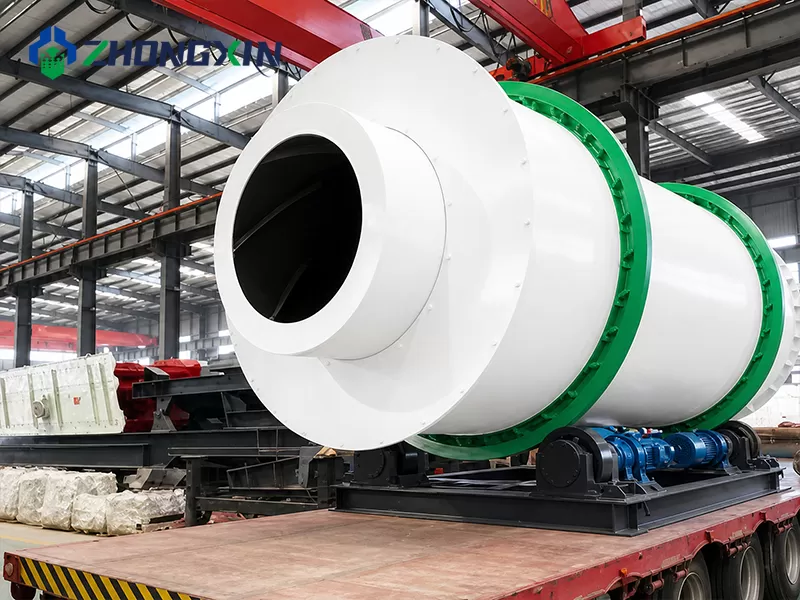
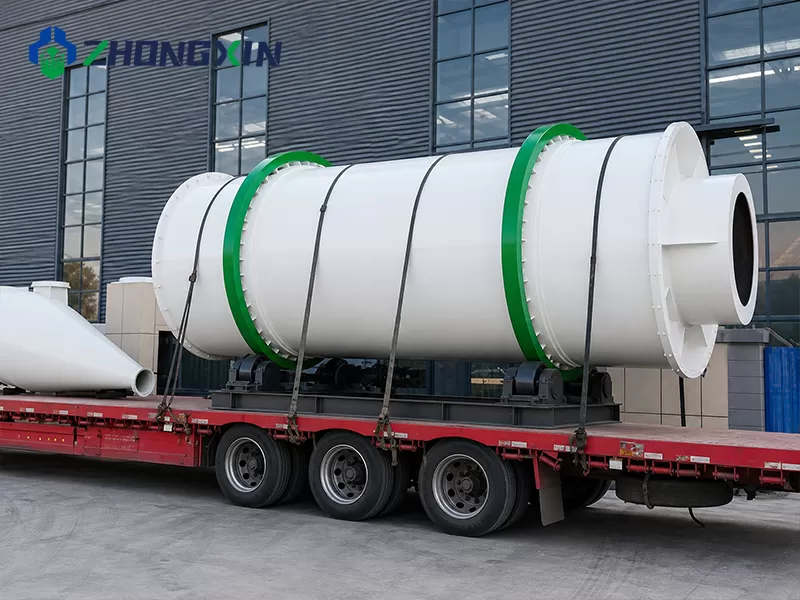
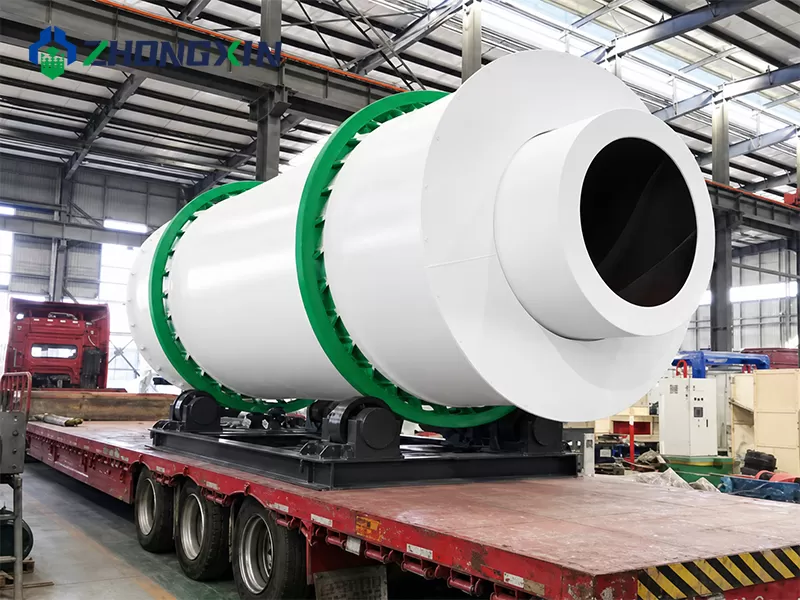
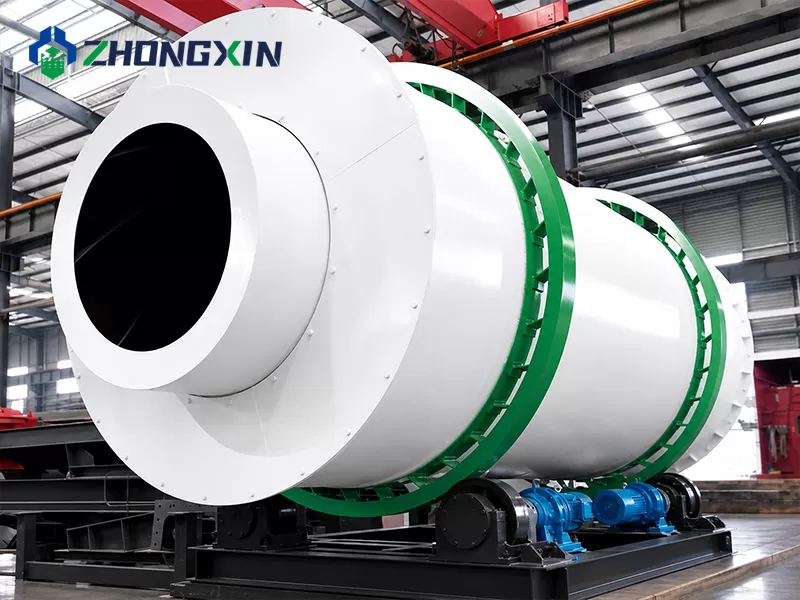
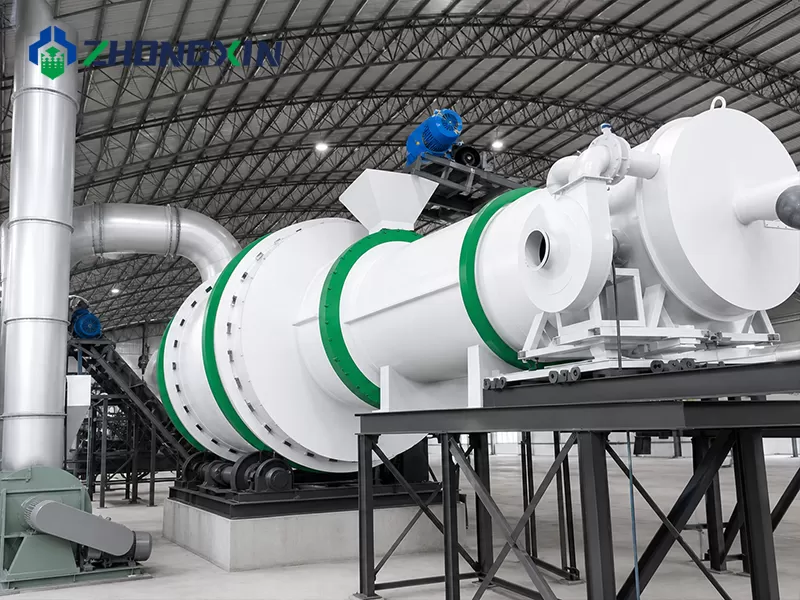
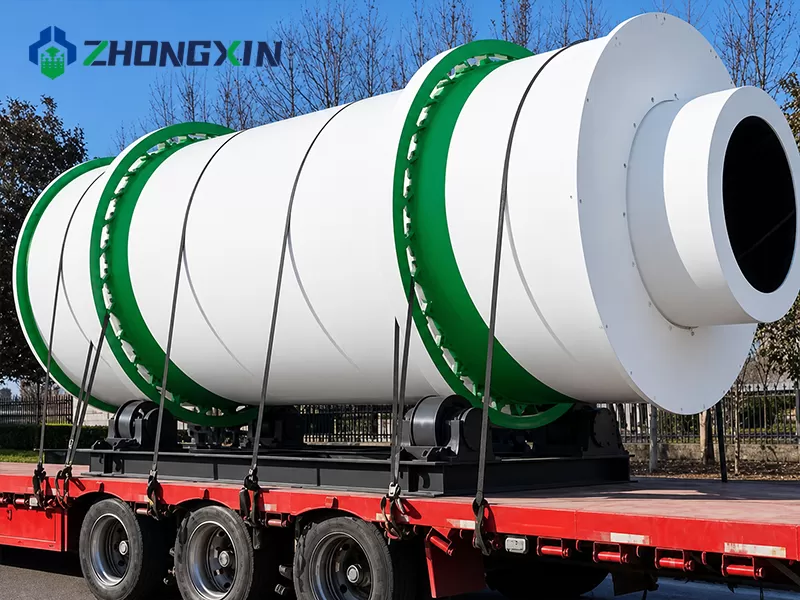
Inner, middle and outer drums nest inside one shell, and one drive turns all three. Because the drums share a frame and a drive, the machine is shorter than three separate passes and needs less foundation and steel structure. The compact body cuts building size too.

Dries Sticky, Wet Material
It dries slag, sand, quartz sand, clay, coal slime, sludge, metal powder, limestone, gypsum, fertilizer and feed. Repeated lifting and dropping breaks up sticky material instead of letting it cake on the drum wall, so high-moisture feed passes through without blocking

Final Moisture under 1%
Three settings control final moisture: max air flow temperature at 700 to 750 degrees C, drum speed at 4 to 10 r/min, and feed rate. Matched to your material during commissioning, the discharge stays consistent and usually comes out below 1% moisture.
Three-cylinder Dryer: 5 Key Features
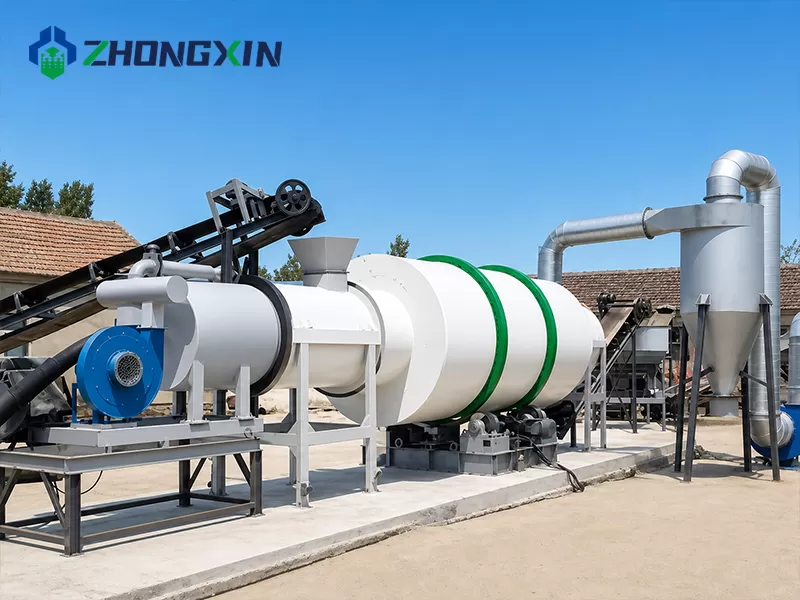
The three-drum dryer stands out in five areas: heat recovery, fuel saving, drum layout, material range and moisture control. Each point below covers what it means on a running drying line, not just on a specification sheet. The figures behind them come from the standard model range, so you can check them against your own material, inlet moisture and target output. Together they explain why a three-drum dryer replaces a single-drum machine on the same duty.