Русский
 中文
中文 España
 WhatsApp
 WeChat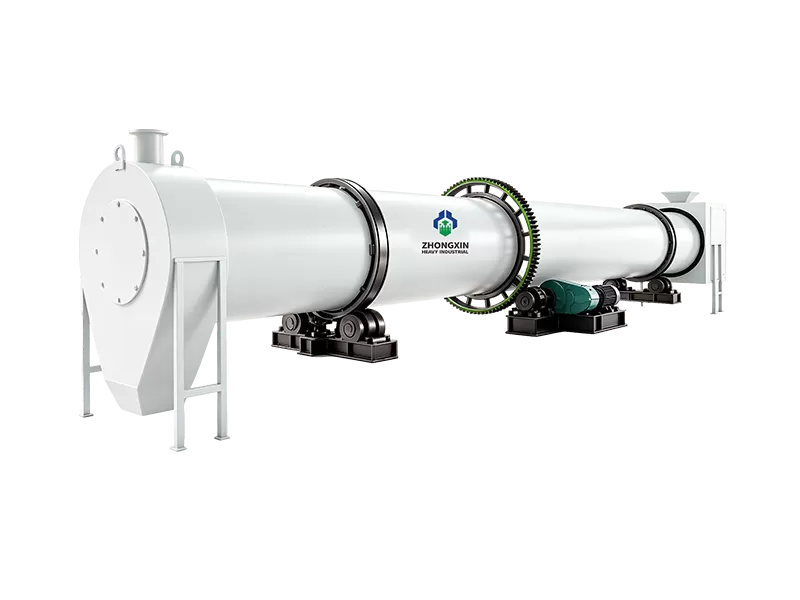

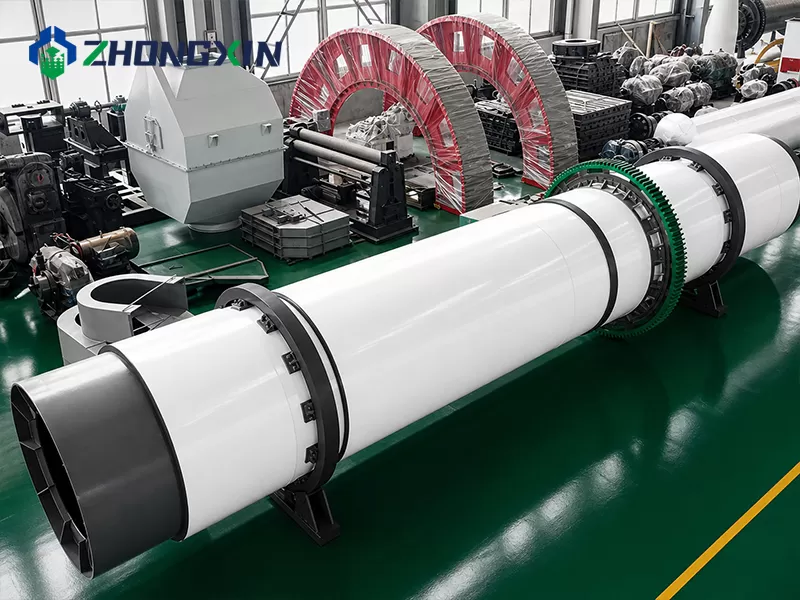
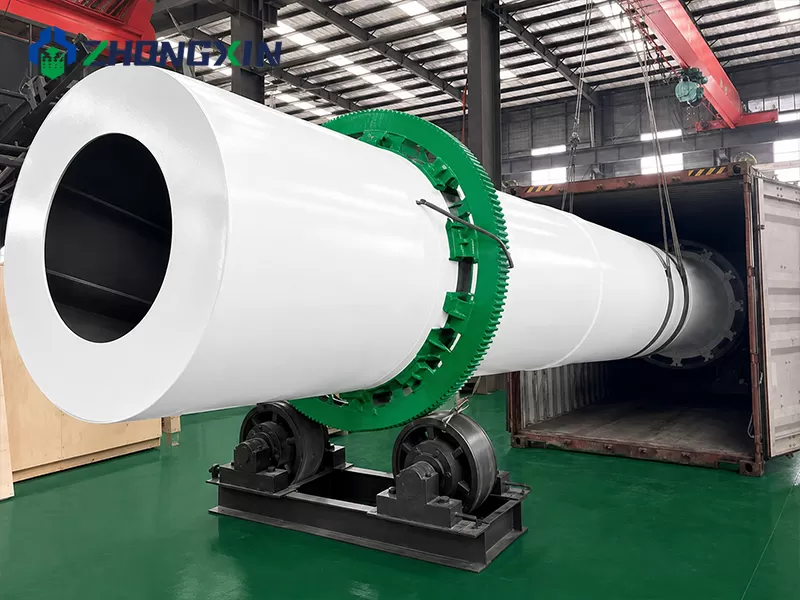
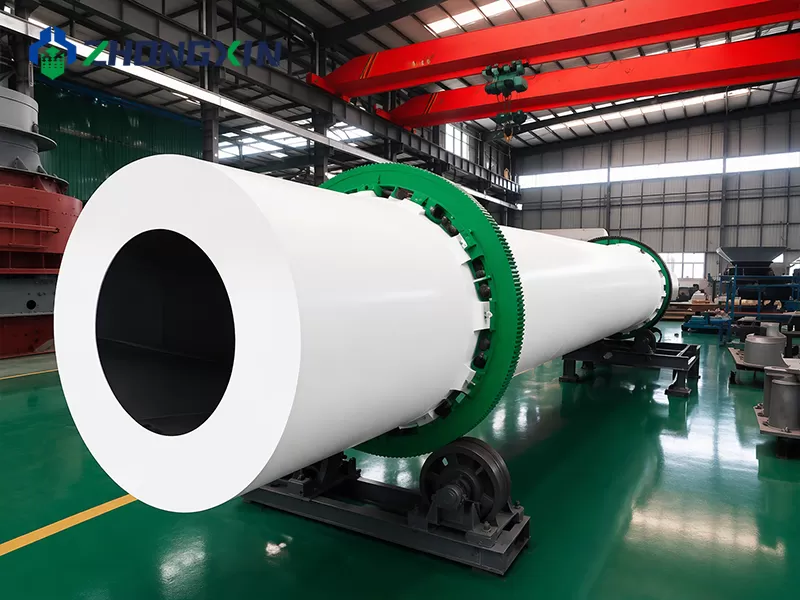
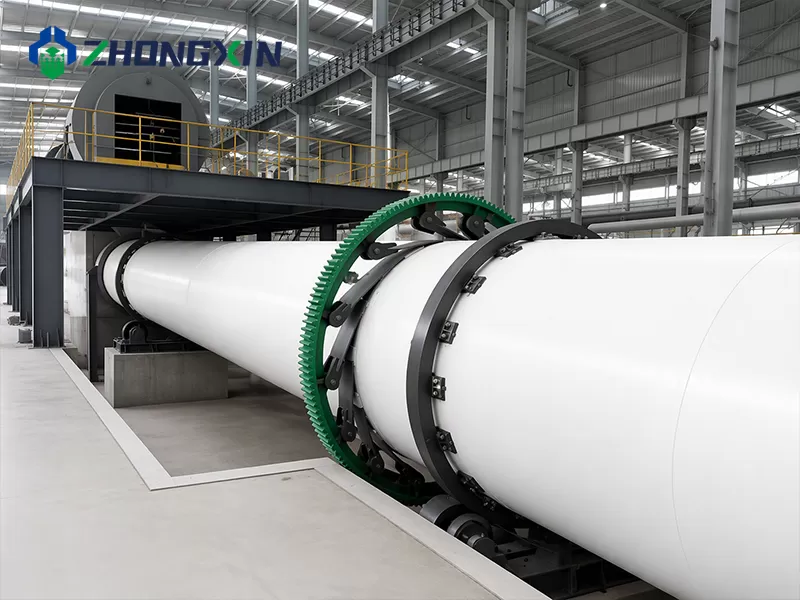
Long Wear Life Steel Drum
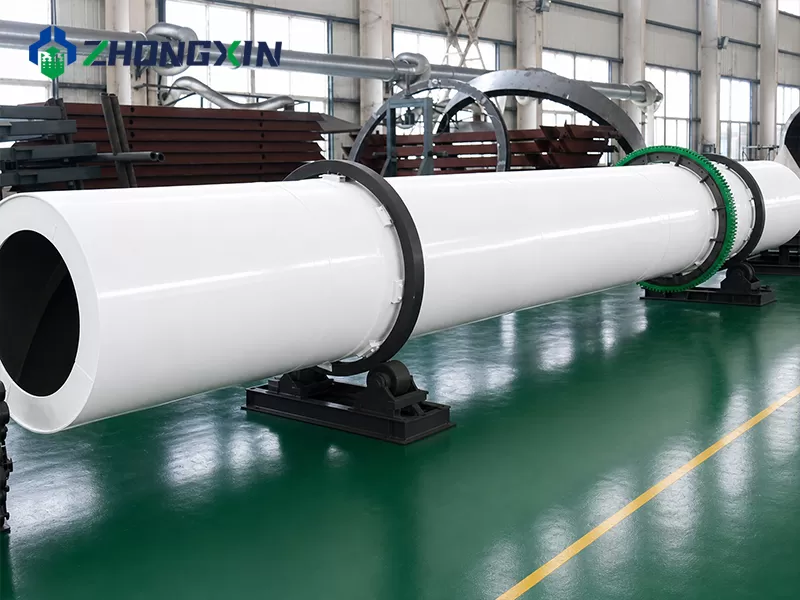
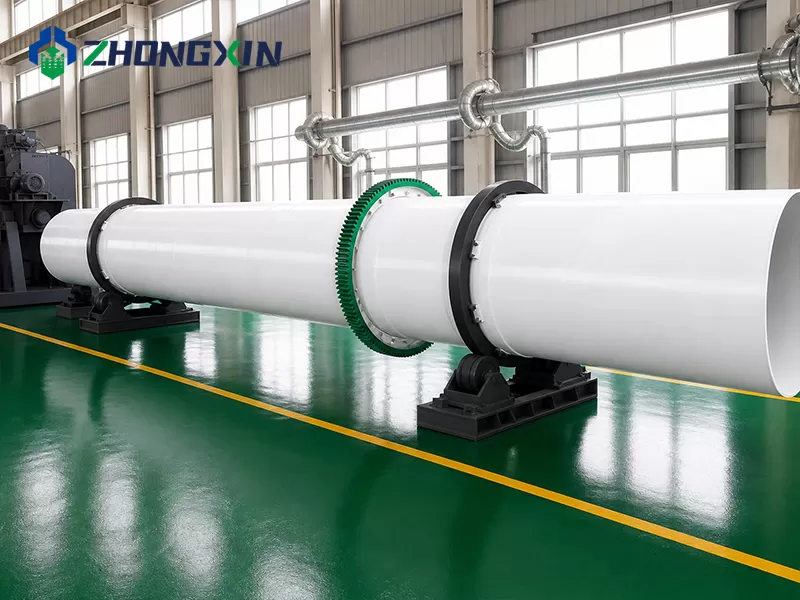
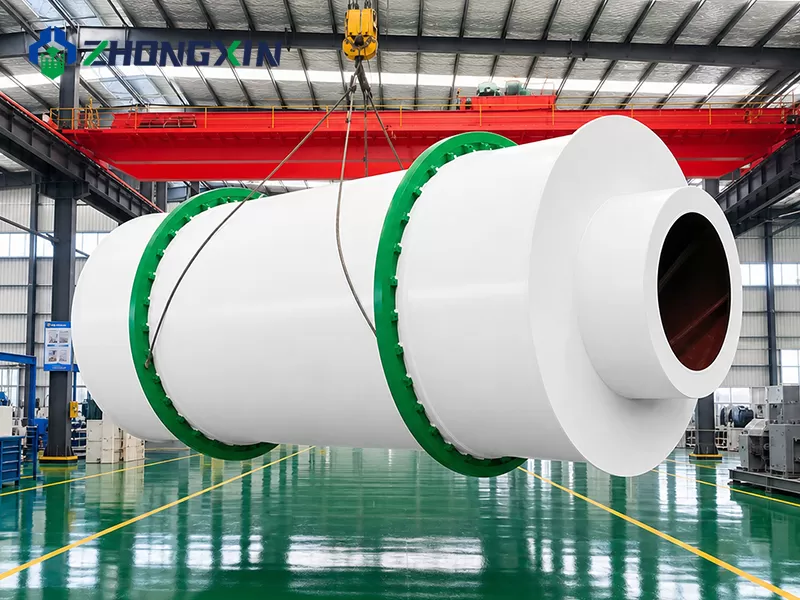
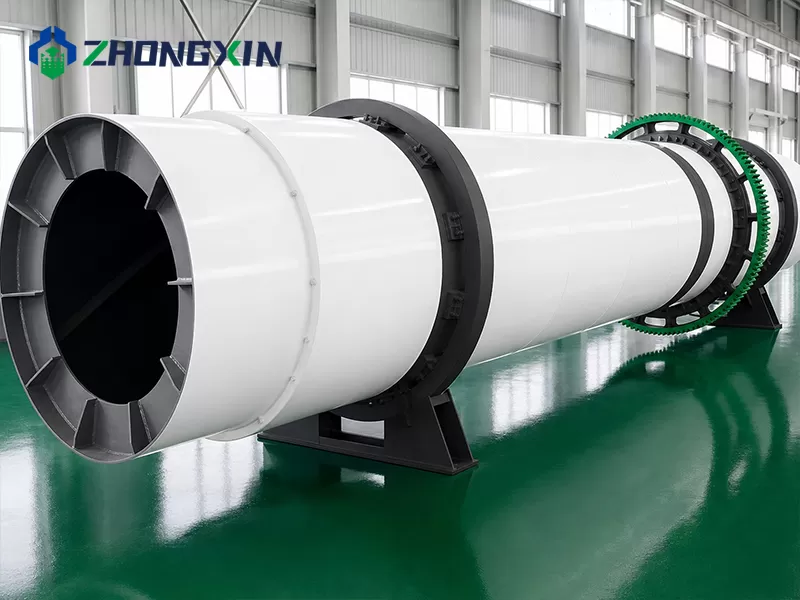
The cylinder body is built from steel plate, so the drum has high hardness and high toughness at the same time. Compared with other drum materials, its wear resistance is higher, which matters where abrasive sand, slag or mineral powder runs through the shell every hour. A slow-wearing drum keeps its roundness longer, so the lifting plates and seals stay aligned inside it.

High Drying Strength
Air velocity inside the drum is high, so wet material is well dispersed in the gas phase instead of lying in a static bed. Every exposed surface of every particle becomes an effective drying area, which multiplies the drying area a fixed drum volume can offer. That is why a single-drum dryer can hold its rated output on a compact shell.

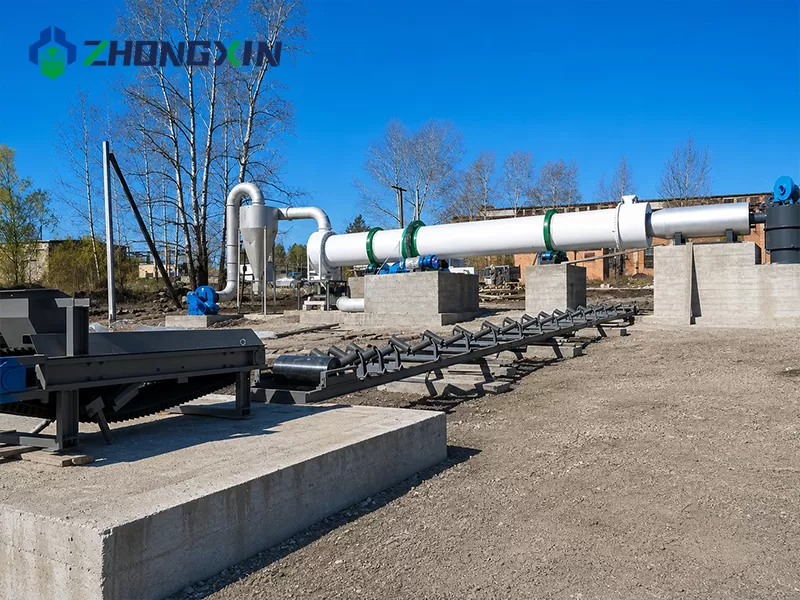
Sealed, Low-Dust Running
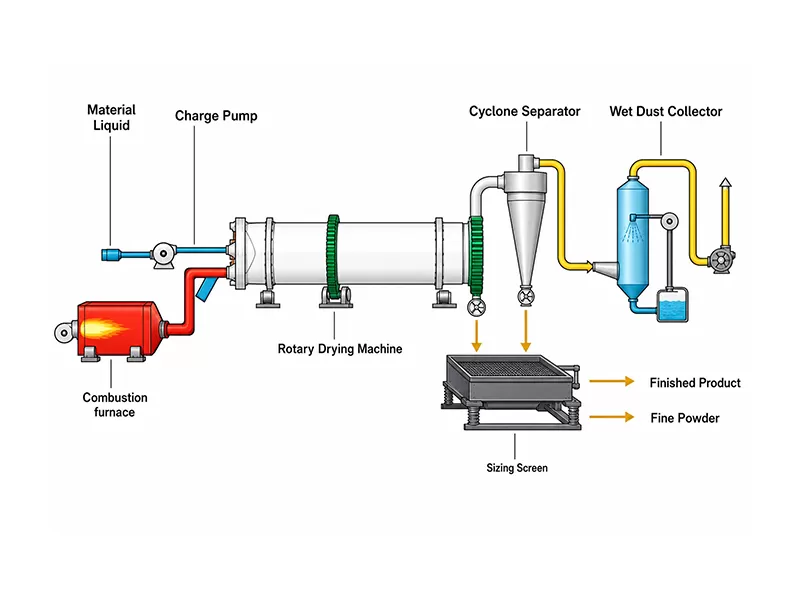
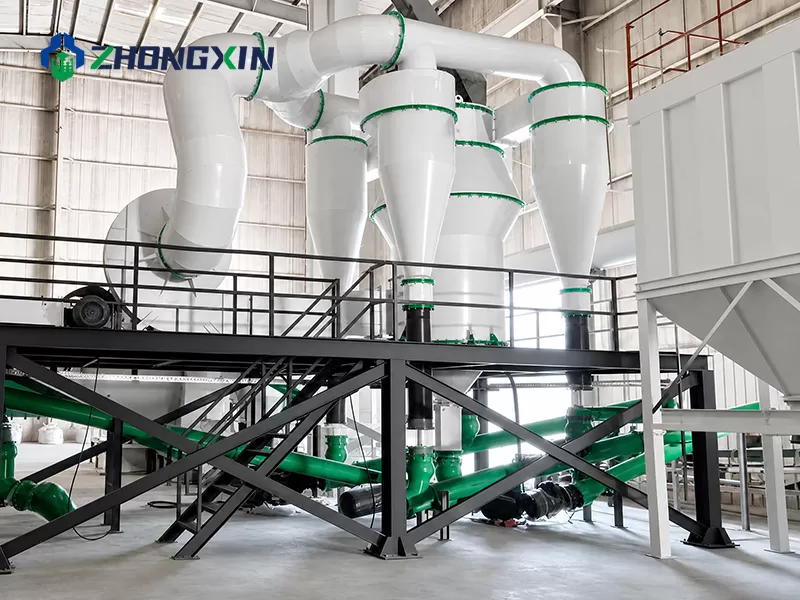
The drying system is well sealed and fitted with a complete dust removal device, so little dust reaches the workshop floor. Operators work in a cleaner environment, and the material that would have left as dust is collected instead of lost. The control system runs the line automatically, so operation is simple and the settings repeat from one shift to the next.

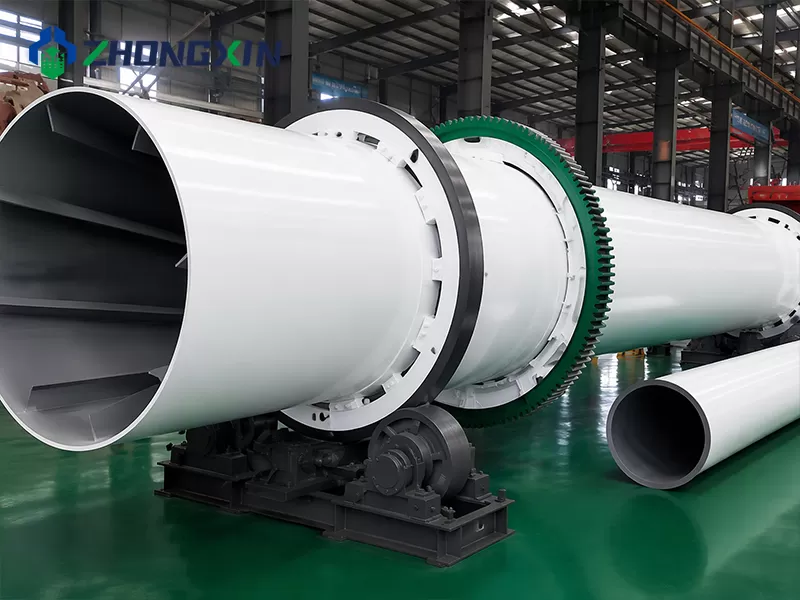
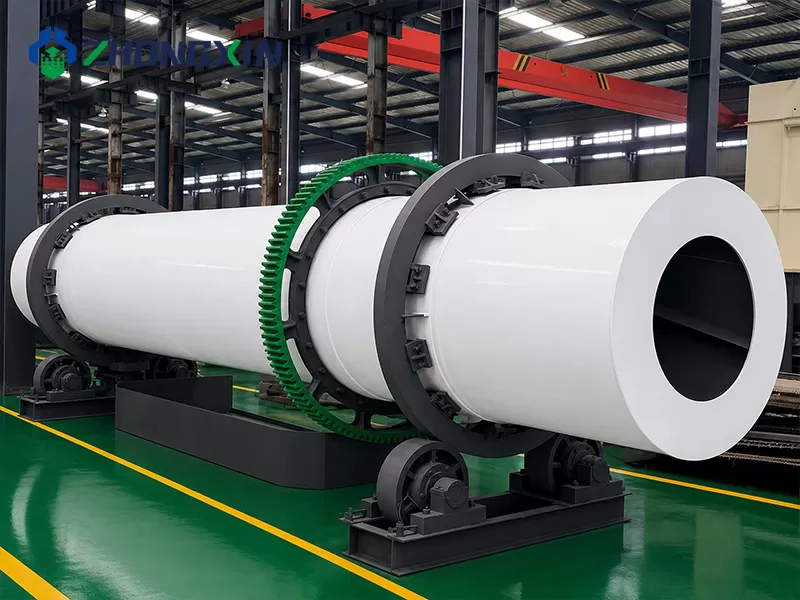
Advanced Drum Internals
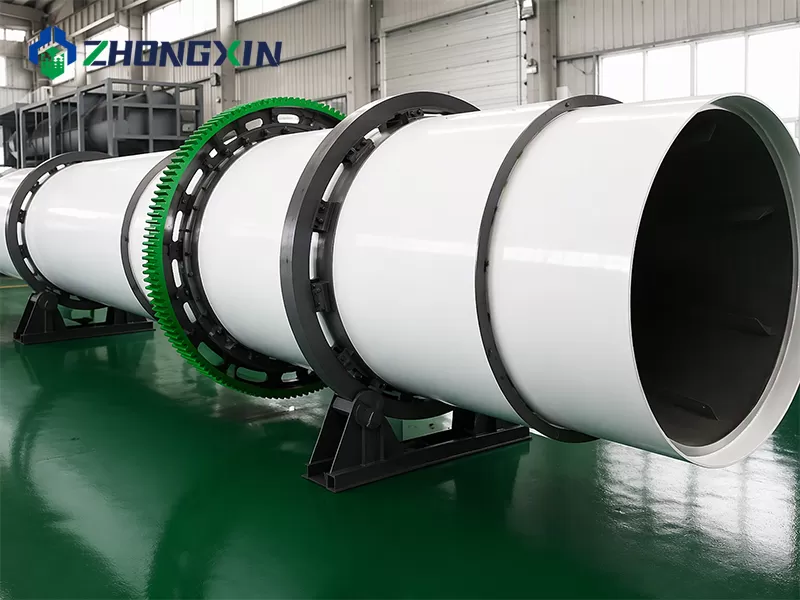
The new internal structure strengthens the cleaning and heat conduction of the dispersed material. Lifting plates and internal flights keep turning the bed over, so fresh wet surfaces keep facing the hot gas and damp material does not pack against the shell. The simplified internals are easy to clean and maintain during a planned stop.

30-70% Lower Fuel Use
By optimizing the process system parameters and running the line at reasonable operating values, thermal efficiency improves and energy consumption drops. Coal consumption and electricity consumption are 30% to 70% lower than those of general dryers, and hourly output rises 50% to 85% on the same duty. That difference is what you see in the monthly fuel bill.
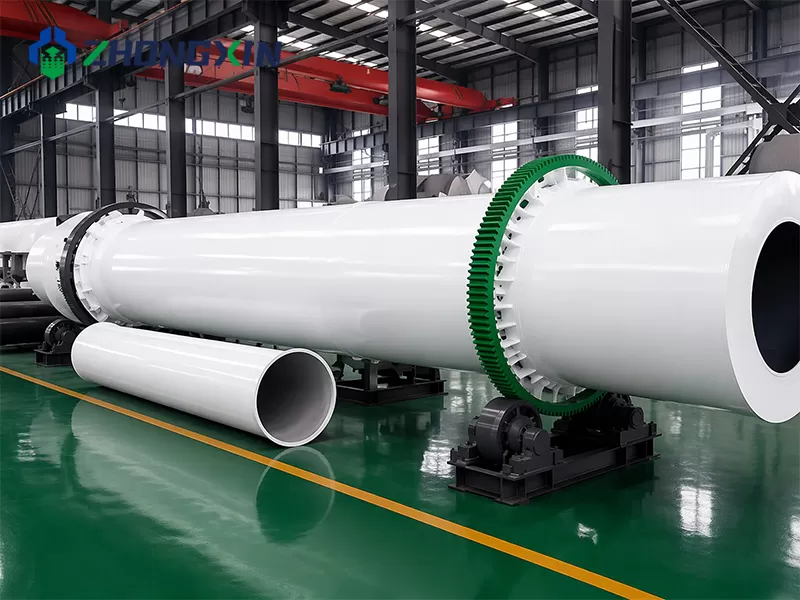
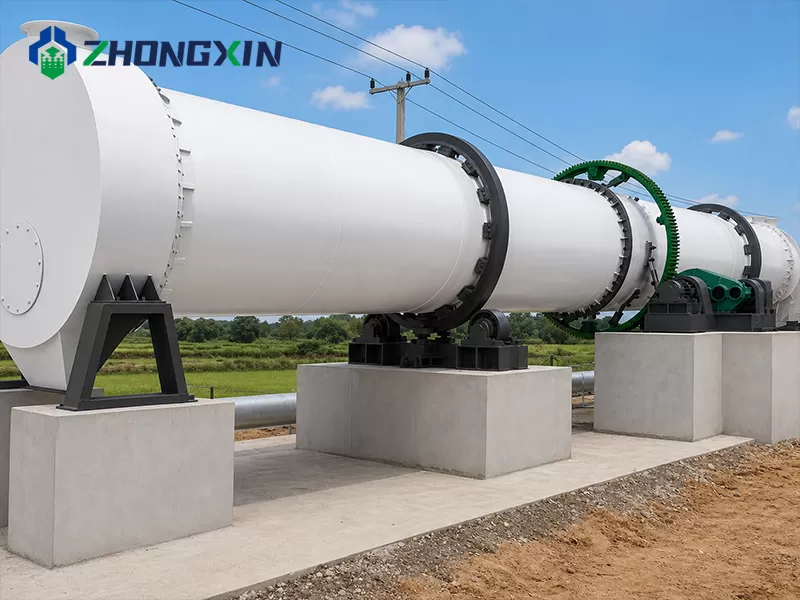
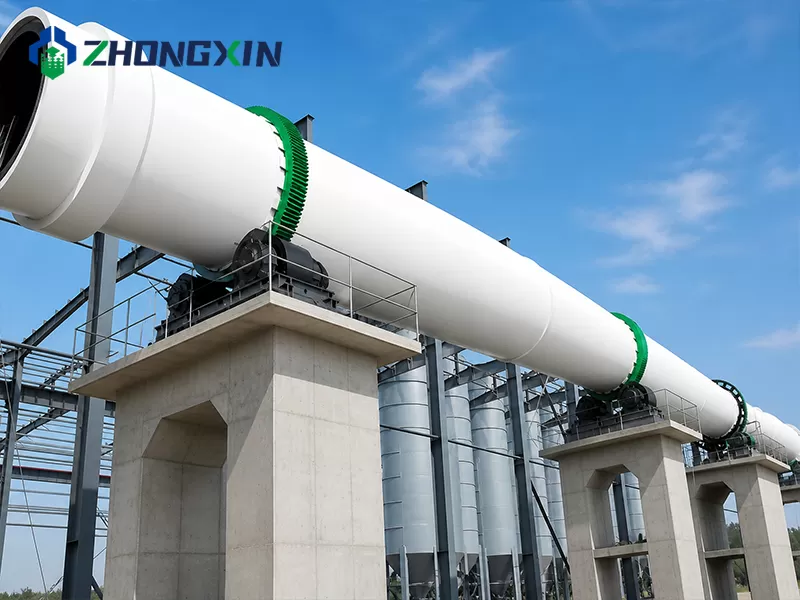
Single-cylinder Dryer: 5 Key Features
The single-drum dryer stands out in five areas: drum material, drying strength, sealing and dust control, internal structure and energy use. Each point below covers what it means on a running drying line, not just on a specification sheet. The figures behind them come from the standard model range, so you can check them against your own material, inlet moisture and target output. Together they explain why a single-drum dryer still carries high-volume drying duties.