Русский
 中文
中文 España
Zhongxin Heavy Industrial Machinery Co.,Ltd.
Review turnkey mineral processing and gold recovery plant installations engineered by Zhongxin Heavy. Detailed case studies cover gold CIP/CIL cyanidation lines, copper ore flotation circuits, iron ore magnetic separation, and gravity concentration systems—complete with process flowsheets, equipment configurations, and verified mineral recovery rates.
Maximizing Recovery from Complex & Refractory Gold Sulfides
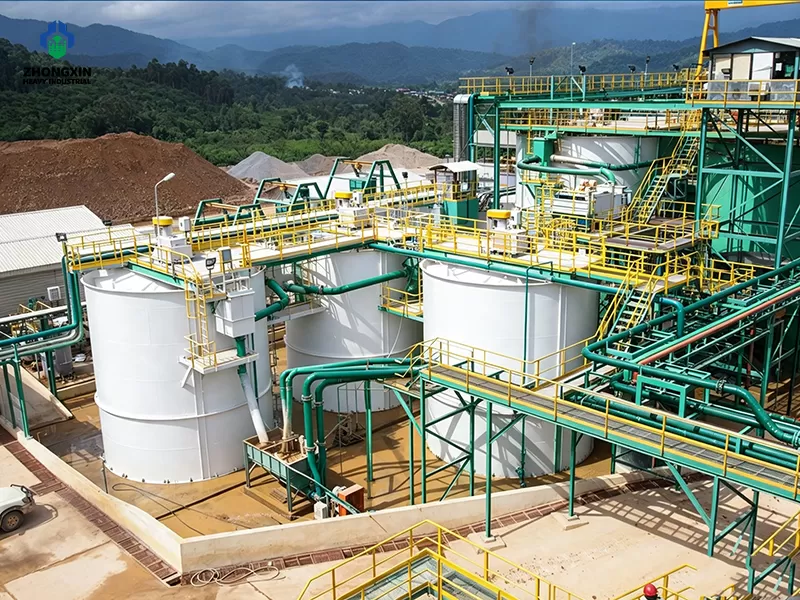
Complete turnkey processing solutions for sulfide gold ores. We integrate heavy-duty ball milling, high-efficiency flotation circuits, and combined gravity or cyanidation systems to achieve up to 96% gold recovery rate while reducing energy consumption and operational costs for mining projects worldwide.


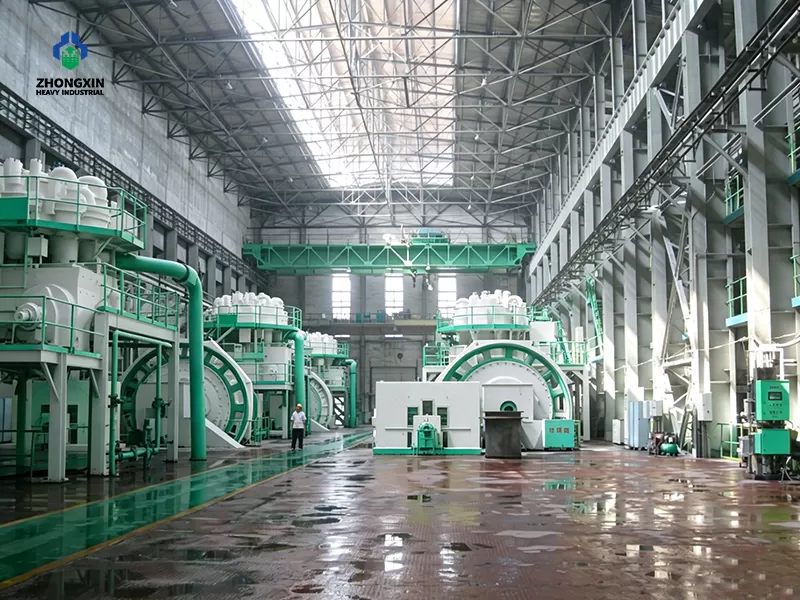
Sulfide gold ore processing remains the most critical route in global gold mining, as primary sulfide deposits represent roughly 70% to 80% of the world's primary gold resources. In these ores, gold is frequently encapsulated within sulfide minerals—such as pyrite, arsenopyrite, and chalcopyrite—often occurring as "invisible gold" (solid solutions or sub-microscopic inclusions). Extracting gold from these refractory ores requires advanced beneficiation methods, including froth flotation, bio-oxidation, or roasting pretreatment.
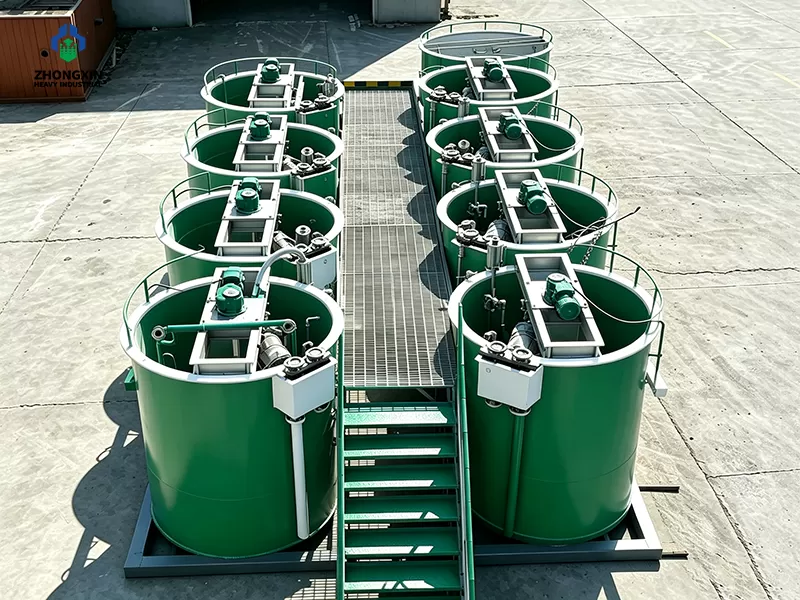
At Jiaozuo Zhongxin Heavy Industry, we manufacture state-of-the-art sulfide gold ore flotation plants designed for complex ore bodies. By utilizing precise flotation reagent schemes and high-turbulence flotation cells, our systems efficiently upgrade low-grade feed into a high-grade gold concentrate prior to downstream hydrometallurgical treatment.
We offer flexible process flowsheets tailored to your ore's mineralogy:
Direct Flotation: Ideal for recovering gold encapsulated in fine-grained sulfides.
Combined Gravity + Flotation: Captures coarse free gold early in the circuit via centrifugal concentrators before floating fine sulfide minerals.
Flotation + Concentrate Leaching / Cyanidation: Recovers gold-bearing sulfides into a high-grade concentrate, followed by regrinding and intensive cyanidation to minimize chemical consumption.
Plant Capacity:50 – 3,000 TPD (Tons Per Day) / Modular & Scalable Design
Applicable Ore Types:Sulfide Gold Ores, Pyritic Gold, Arsenopyritic Gold & Mixed Sulfides
Gold Recovery Rate:90% – 96% in Final Gold Concentrate
Compatible Flowsheets:Direct Flotation / Gravity + Flotation / Flotation + Leaching (CIL/CIP)
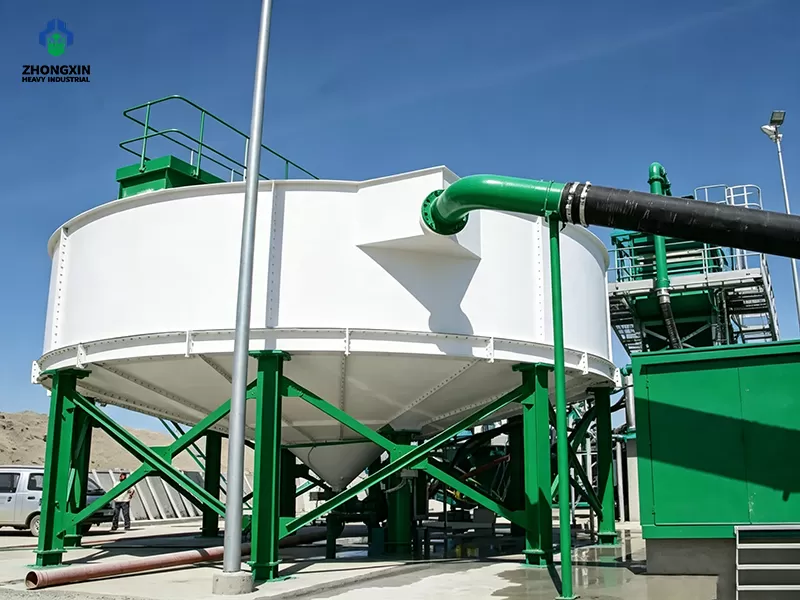
Key Equipment Package:Ball Mill, Pneumatic/Mechanical Flotation Cells, High-Rate Thickener, Chamber Filter Press
| Ore Type | Mineral Characteristics | Processing Difficulty | Recommended Beneficiation Method |
| Gold-Bearing Sulfide Ore (Pyritic / Free-Floating) | Gold is predominantly embedded as fine or micro-fine grains in sulfide minerals like pyrite, arsenopyrite, chalcopyrite, galena, and sphalerite. High natural floatability; effectively captured using conventional collectors (e.g., xanthates) and frothers. | Moderate Difficulty: Gold is mainly associated with sulfides, but high monomer liberation can be achieved via fine grinding (ball milling). | Froth Flotation + Concentrate Cyanidation (CIL / CIP Leaching) |
| Refractory High-Arsenic Sulfide Gold Ore | Gold is sub-microscopically encapsulated within sulfide matrices (especially high-arsenic arsenopyrite) or occurs as lattice-bound invisible gold. High arsenic content. | High Difficulty: Highly refractory. Requires advanced pretreatment to break down sulfide encapsulated structures. | Flotation + Concentrate Pretreatment (Roasting / Bio-oxidation) + Cyanidation |
| Partially Oxidized Gold Sulfide Ore | Contains both oxidized minerals (e.g., limonite) and residual primary sulfides (pyrite/arsenopyrite). Micro-fine gold is coated in hydrophobic sulfides; floating sulfides effectively recover gold. | High Difficulty: Complex mineralogy requiring selective flotation and oxide recovery. | Gold Flotation Concentration (To produce high-grade gold-bearing sulfide concentrate) |
| Gold-Bearing Copper Sulfide Ore | Auriferous copper-bearing sulfide ore with exceptionally high economic value (polymetallic copper-gold deposit). | Moderate Difficulty: Requires differential flotation to balance copper grade and gold recovery. | Gold-Copper Flotation (To produce gold-bearing copper concentrate) |
| Carbonaceous Sulfide Gold Ore | Contains natural carbonaceous matter (graphite, organic carbon) with high floatability that causes severe "preg-robbing" by adsorbing gold-cyanide complexes during downstream leaching. | High Difficulty: Requires complex pre-treatment (roasting or bio-oxidation) to destroy carbon compounds, making direct cyanidation ineffective. | Flotation of Carbonaceous Concentrate + Separate Treatment (e.g., Roasting / CIL with preg-robbing inhibitors) |
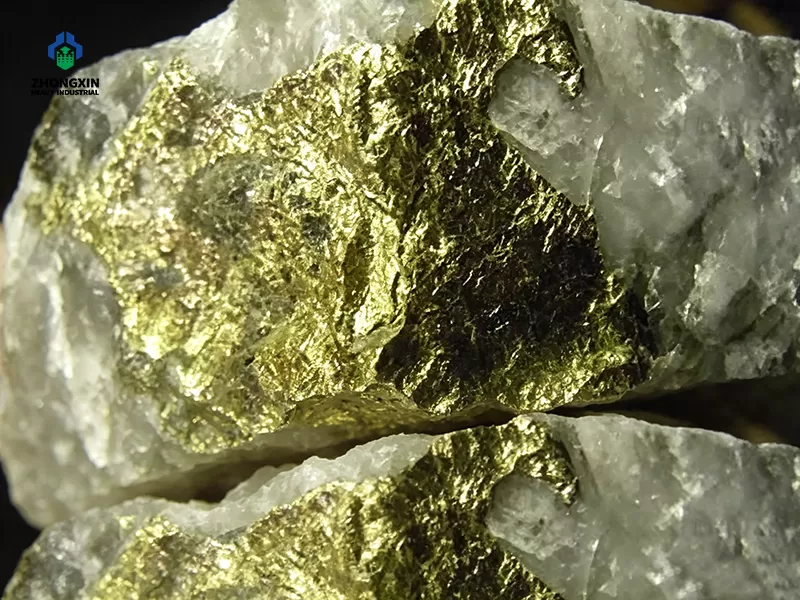
1. Beneficiation Process Flowsheet for High-Difficulty Gold Sulfide Ore
Run-of-Mine (ROM) Ore ➔ Coarse Grinding ➔ Froth Flotation ➔ Gold Sulfide Concentrate (5%–15% of ROM weight) ➔ Concentrate Pretreatment ➔ Cyanidation Leaching
For high-difficulty gold sulfide ores, the ore is ground to 70%–85% passing -200 mesh, allowing gold-bearing sulfide particles to reach either "monomer liberation" or binary intergrowth states.
Froth flotation serves as a high-efficiency pre-concentration stage rather than directly extracting pure gold. It selectively collects gold-bearing sulfide minerals (such as pyrite) while rejecting 80% to 95% of barren gangue tailings. This concentrates the valuable gold into a significantly smaller volume of sulfide concentrate for downstream treatment.
2. Key Advantages of Avoiding Over-Grinding (Coarse Grinding Benefits)
Higher Gold Recovery Rate: Coarser sulfide particles exhibit superior floatability, lower probability of cell-bottom sedimentation, and higher collision-attachment rates with air bubbles, leading to higher overall gold recovery.
Significant Power & Cost Reduction: Grinding is the most energy-intensive process in mineral processing plants. Coarse grinding dramatically reduces electricity consumption and grinding media (steel ball) wear, resulting in substantial operational cost savings (OPEX).
Improved Flotation Hydraulics: Coarse grinding minimizes the generation of ultra-fine slimes (-10 microns). Slimes deteriorate flotation efficiency by non-selectively consuming high volumes of flotation reagents and coating coarse mineral surfaces. Reducing slimes yields a much more stable flotation circuit.
Optimal Feed for Downstream Concentrate Treatment: Overly fine concentrates create operational difficulties during dewatering and transport, while negatively impacting fluidization stability and desulfurization efficiency during roasting. A uniform, relatively coarse concentrate provides ideal conditions for roasting or pressure oxidation (POX).
Critical Operational Threshold: While coarse grinding is highly recommended, achieving a baseline degree of monomer liberation is mandatory. If grinding is too coarse (e.g., -200 mesh passing is below 60%), a large amount of gold-bearing sulfides locked with gangue will report to tailings, causing irrecoverable gold loss.
3. Processing Strategies for Medium-Difficulty Gold Sulfide Ores
Uniformly Fine-Grained Gold Ore
Mineral Characteristics: Fine gold particles are evenly distributed throughout the sulfide matrix. This represents the most common gold sulfide ore type.
Recommended Grinding Fineness: 85% to 95% passing -200 mesh.
Technical Rationale: Fine grinding is essential to break down sulfide intergrowth structures, achieving full monomer liberation so sulfide monomers can be effectively collected via flotation.
Unevenly Distributed / Complex Gold Ore
Mineral Characteristics: The ore contains both coarse sulfide grains and micro-fine encapsulated gold particles. Single-stage grinding is ineffective for this complex mineralogy.
Recommended Flowsheet: Stage Grinding + Stage Flotation (Two-Stage Circuit).
Stage-1 Coarse Grinding & Flotation: Ore is ground to 55%–65% passing -200 mesh. This liberates coarse free sulfides and a portion of coarse gold, which are floated immediately to produce a qualified concentrate. This prevents valuable coarse minerals from being over-ground in the secondary grinding circuit.
Stage-2 Middling Regrinding & Reflotation: Rougher concentrate and middlings rich in intergrowths undergo secondary regrinding—reaching 90% passing -325 mesh (0.045 mm) or finer. This completely breaks down intergrowth structures, fully liberating fine encapsulated gold before further flotation or direct cyanidation leaching.
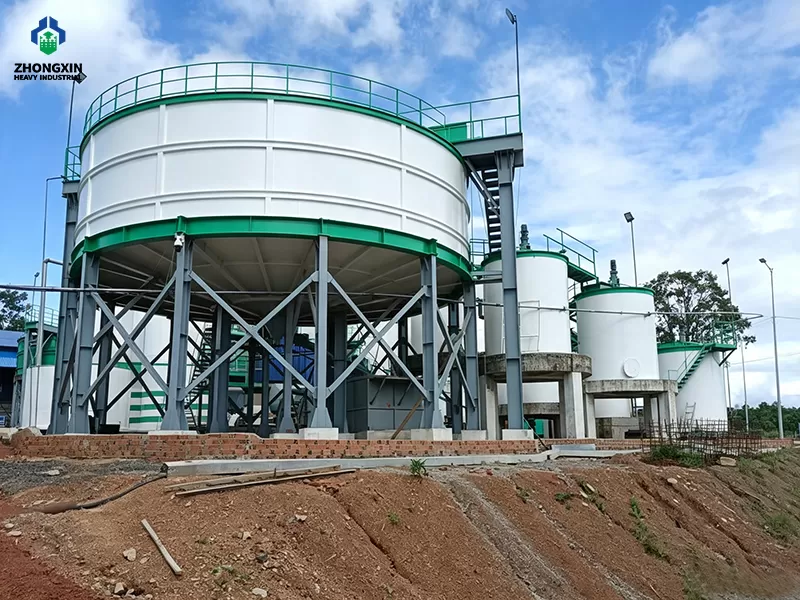
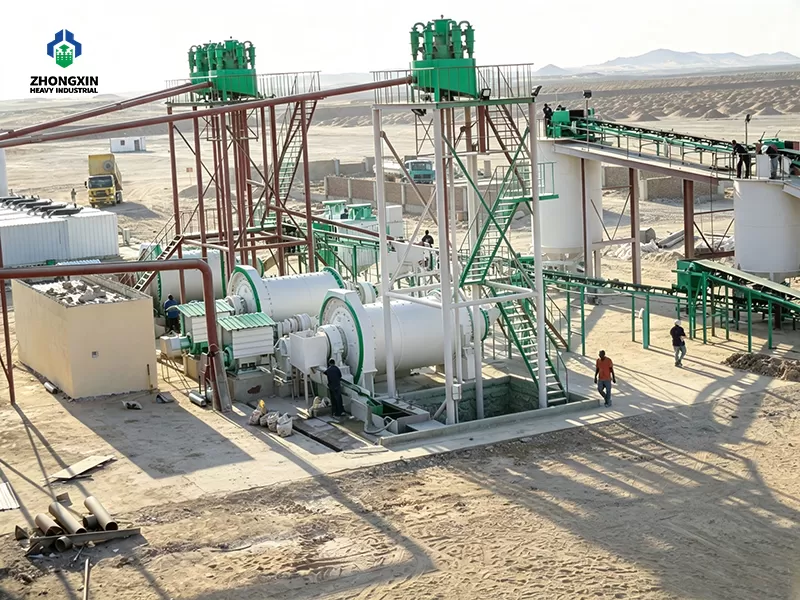
Process selection depends primarily on whether the gold is closely associated with copper minerals (e.g., chalcopyrite) or iron sulfides (e.g., pyrite). The standard engineering route prioritizes copper flotation, followed by gold recovery from copper tailings. If coarse free gold particles are present, a gravity separation circuit must be integrated into the grinding loop to prevent gold losses.
| Ore Characteristics | Beneficiation Process | Process Characteristics & Reagent Schemes | Final Products |
| Coarse Free Gold Present: Ore contains a considerable amount of coarse free gold particles. | Gravity Separation followed by Copper Flotation | Coarse gold particles must be captured immediately after the grinding circuit (via centrifugal concentrators or shaking tables) to prevent over-grinding, gold smearing, or losses in downstream flotation. | First produces a high-grade separate gold gravity concentrate. The copper-bearing tailings then proceed to the copper flotation circuit. |
| Gold Associated with Copper Minerals: Gold is closely locked with copper minerals, existing mainly as "invisible gold" within or on the surface of chalcopyrite, with low pyrite content. | Bulk Flotation (Copper-Gold Bulk Flotation) | Utilizes selective xanthates or dithiophosphate collectors (such as Z-200 / IPETC). Both copper minerals and gold-bearing copper ores are floated simultaneously under natural or slightly alkaline pH conditions. Features a simple flowsheet and low reagent costs. | Produces a copper-gold bulk concentrate, with gold valued as a high-margin payable sub-product by smelters. |
| Gold Associated with Pyrite & Copper: Gold is associated with both copper minerals and pyrite; both chalcopyrite and gold-bearing pyrite exhibit high floatability. | Differential Flotation (Selective Copper Flotation) | 1. Copper Stage: Lime is added to elevate pulp pH to 10–12, strongly depressing pyrite/arsenopyrite. Highly selective copper collectors float a high-grade copper concentrate (which carries gold locked in copper). 2. Gold Stage: Sulfuric acid or CO₂ is added to the copper tailings to lower pH and remove pyrite depression. Copper sulfate (CuSO₄_4) activates pyrite, and strong collectors (xanthates) float the pyritic gold concentrate. | Achieves clean copper-gold separation, yielding a high-grade copper concentrate and a specialized gold-rich pyrite concentrate. |
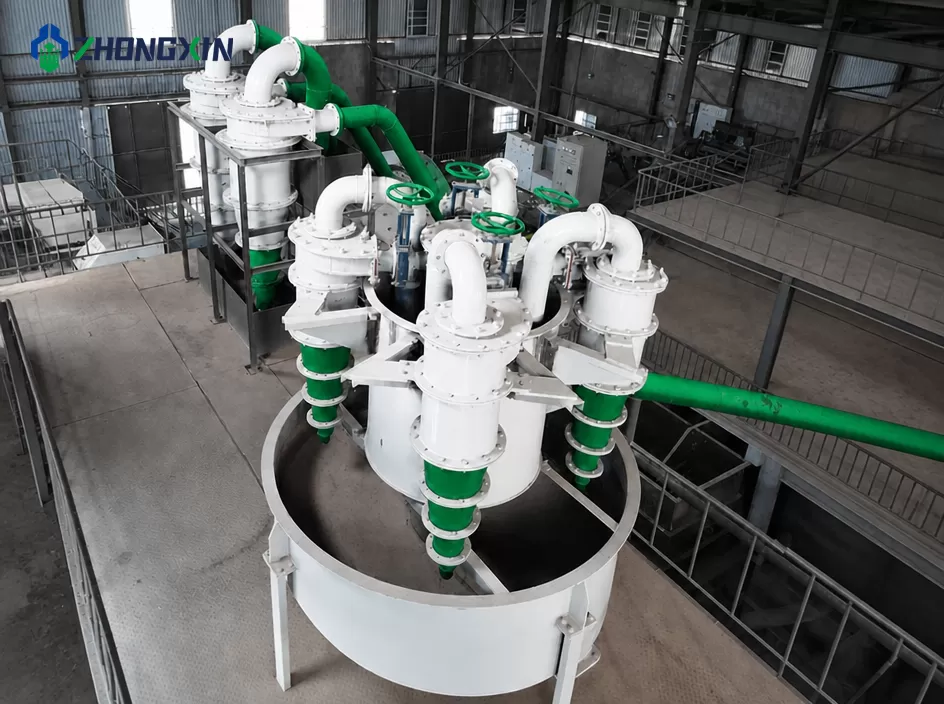
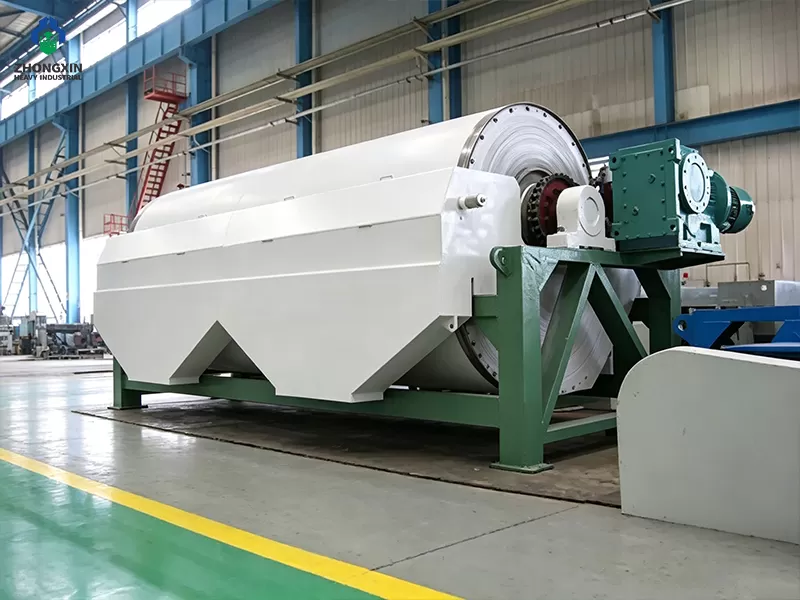
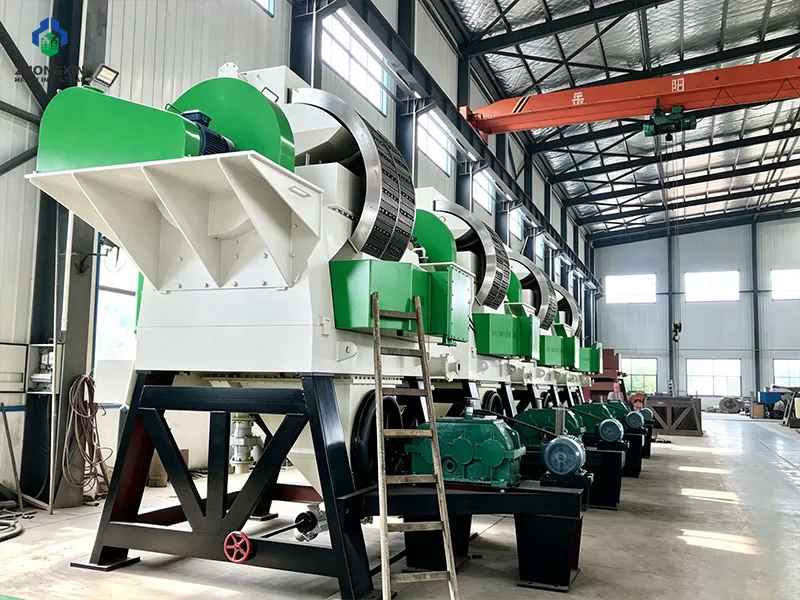
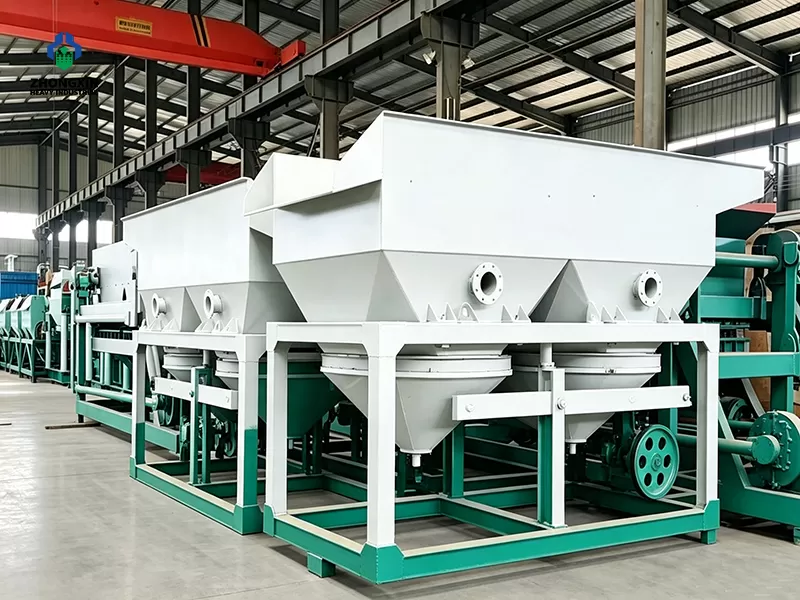
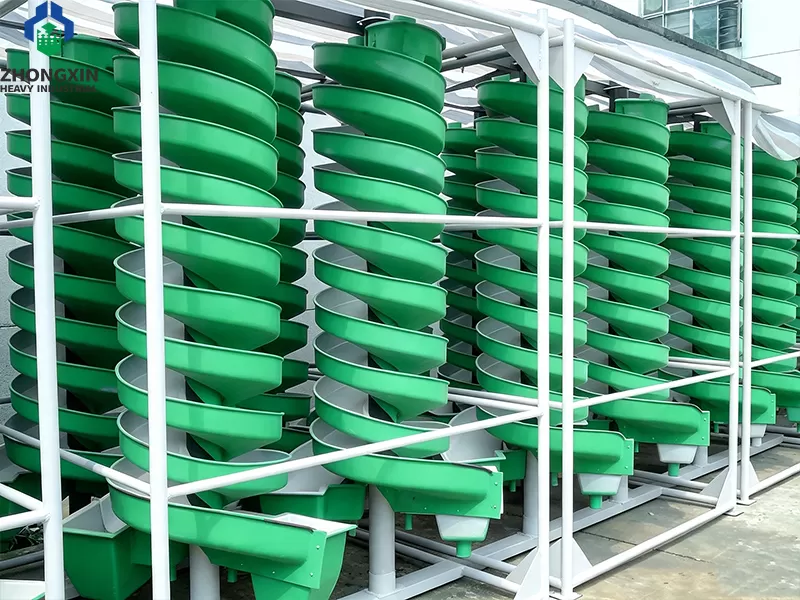
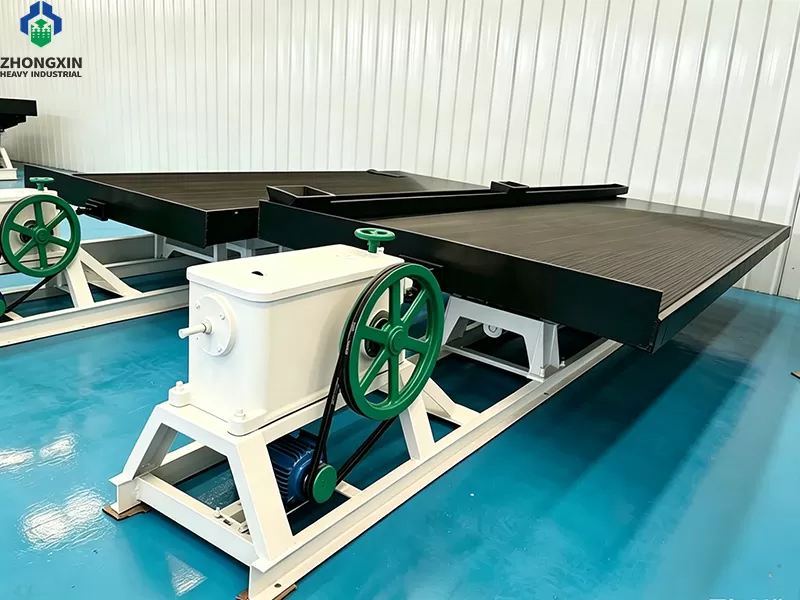
Optimize your mineral beneficiation circuit with our high-recovery mineral processing equipment. We manufacture heavy-duty grinding ball mills, spiral classifiers, hydrocyclones, froth flotation machines, and magnetic separators designed for processing gold, copper, iron, and manganese ores. Engineered for continuous duty and maximum mineral extraction efficiency, our machinery ensures reduced wear, lower power consumption, and improved concentrate grades across all hard-rock mining operations.
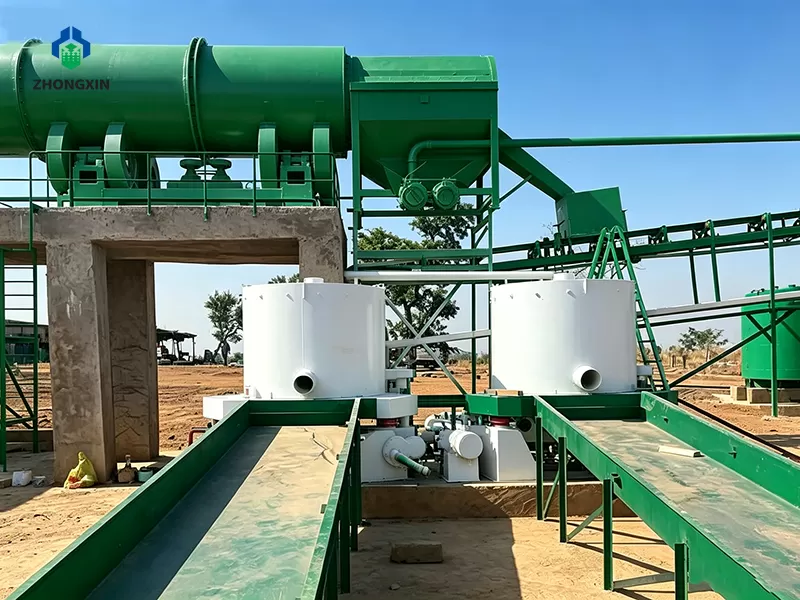
Discover custom-engineered mineral processing lines and complete aggregate production plant solutions tailored to your capacity and ore characteristics. From turnkey gold ore processing plants (CIP/CIL & flotation) and copper extraction lines to high-capacity sand-making and aggregate crushing circuits, we provide end-to-end flowsheets—integrating crushing, wet grinding, classification, and slurry dewatering. Partner with us for optimized plant layout design, factory-direct equipment supply, and maximum ROI.
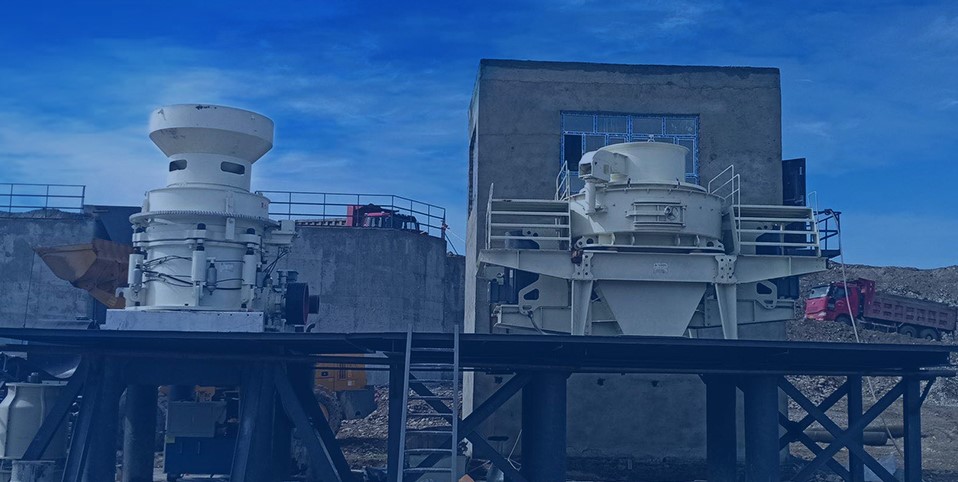
This section is designed to address the most pressing inquiries customers may have regarding the daily operation, maintenance, product advantages, and after-sales service of our cone crushers. Our aim is to help you gain a comprehensive understanding of our overall capabilities and enable you to make informed decisions for your projects.
Choosing Zhongxin genuine wear parts reduces downtime and significantly boosts your mining operation's ROI.

We help clients develop maintenance plans to solve issues before wear affects production.

We offer customized parts for materials like granite or gold ore, increasing wear resistance by 30%.

Leveraging our optimized supply chain, we promise the fastest delivery of parts to global sites.