Русский
 中文
中文 España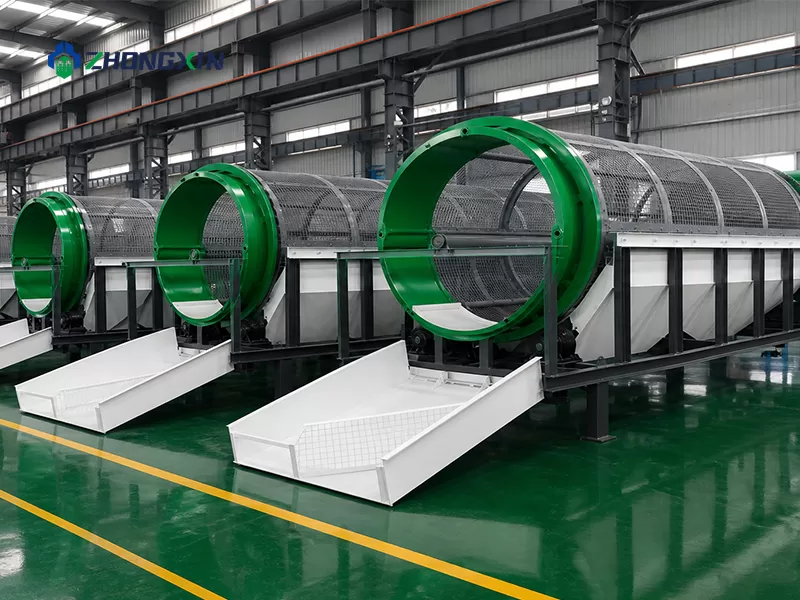
Zhongxin Heavy Industrial Machinery Co.,Ltd.
Review turnkey mineral processing and gold recovery plant installations engineered by Zhongxin Heavy. Detailed case studies cover gold CIP/CIL cyanidation lines, copper ore flotation circuits, iron ore magnetic separation, and gravity concentration systems—complete with process flowsheets, equipment configurations, and verified mineral recovery rates.
Maximizing Gold Extraction from High-Hardness Siliceous Quartz Veins
Complete turnkey engineering, equipment supply, and commissioning for quartz-hosted hard rock gold deposits. By integrating heavy-duty multi-stage crushing, fine closed-circuit grinding, and whole-slime Carbon-in-Leach (CIL/CIP) cyanidation, Zhongxin Heavy achieves gold recovery rates of up to 98% with optimized reagent consumption for mining operations worldwide.


Project Overview & Technical Solution
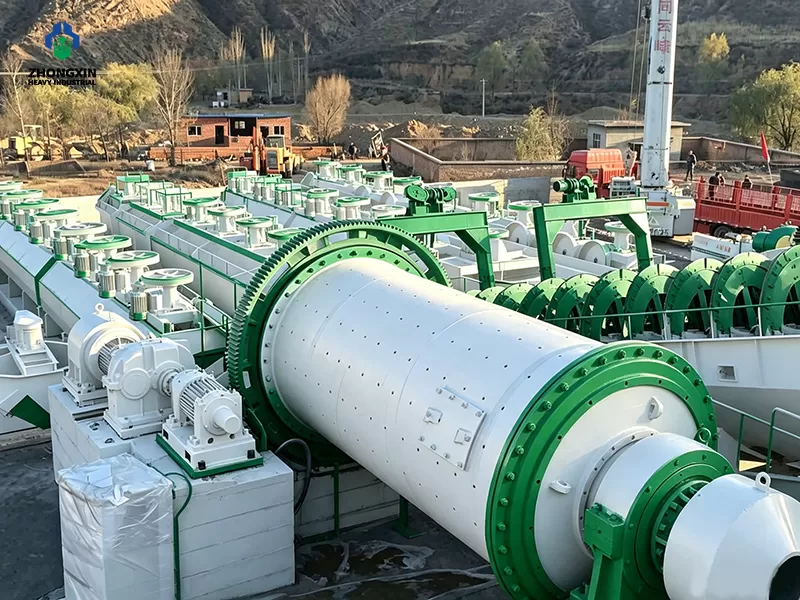
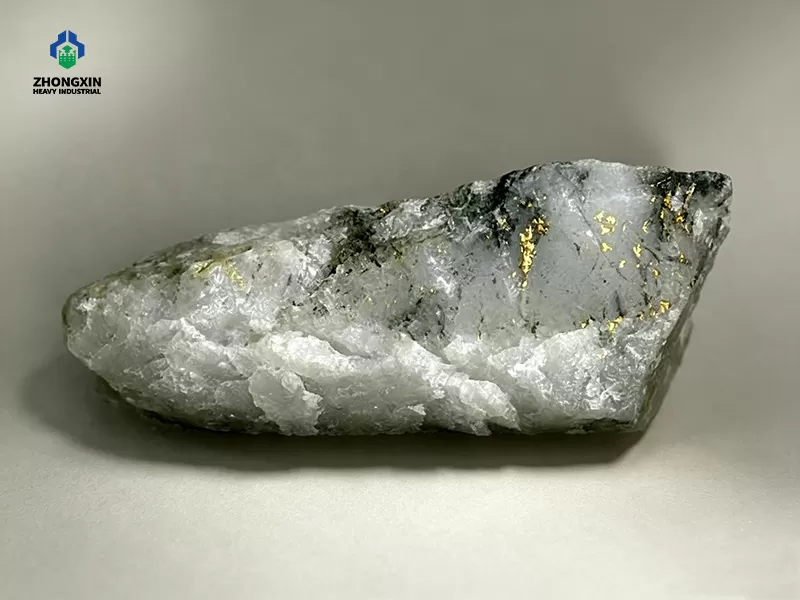
This successful project case documents the engineering, equipment manufacturing, and plant commissioning for a high-hardness quartz vein gold deposit. To maximize the liberation and extraction of micro-fine gold particles encapsulated within the dense silica quartz matrix, Jiaozuo Zhongxin Heavy Industry designed and implemented a robust processing line featuring multi-stage crushing, closed-circuit fine grinding, and a whole-slime CIL (Carbon-in-Leach) / CIP (Carbon-in-Pulp) circuit.
Our tailored solution optimizes chemical reagent consumption while achieving a metallurgical gold recovery rate exceeding 94.5% (up to 98%), serving as a benchmark for underground hard-rock and quartz vein gold mining projects across Latin America and global markets.
Whole-Slime Cyanidation & Activated Carbon Adsorption Principles
Under an alkaline environment with a pH of 10 to 11, dissolved oxygen acts as an oxidant and cyanide serves as a complexing ligand. Cyanide ions undergo a complexation reaction with elemental gold inside the ore slurry, dissolving the solid gold to form stable, water-soluble aurocyanide complex ions [Au(CN)2].
Subsequently, activated carbon acts as an "attractor magnet" within the slurry to adsorb and concentrate the dissolved gold-cyanide complex ions. The loaded carbon then undergoes high-pressure desorption and electrowinning (elution circuit) to produce high-purity Gold Doré bars.
Technical Specifications of Quartz Vein Gold Processing Plant
| Key Specification | Technical Details |
| Plant Capacity | 50 – 2,000 TPD (Tons Per Day) / Modular & Scalable Design |
| Grinding Fineness | 80% – 90% passing -200 mesh (74 microns) |
| Gold Recovery Rate | 90% – 98% (Varies by ore grade & mineralogical characterization) |
| Core Process Flowsheet | Closed-Circuit Ball Milling + Whole-Slime CIL Cyanidation + Desorption & Electrowinning (ELU) |
| Final Product | High-Purity Gold Doré Bars (85% – 95% purity ready for smelting) |
Core Equipment Package for Quartz Vein Gold Line
1.Heavy-Duty Jaw Crusher & Hydraulic Cone Crusher
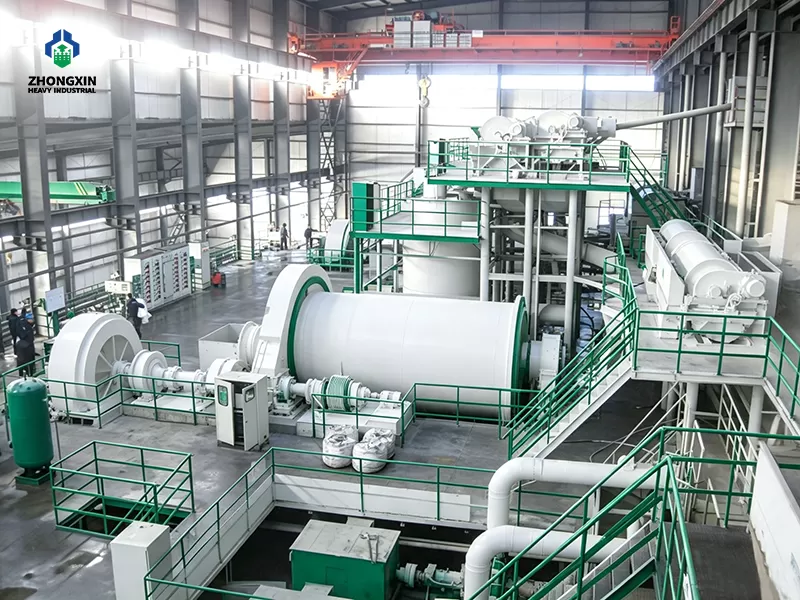
Multi-Stage Reduction for High-Hardness Quartz: Delivers powerful crushing forces to break tough, abrasive siliceous quartz rock down to optimal ball mill feed size.
2.Closed-Circuit Ball Mill & Hydrocyclone Cluster
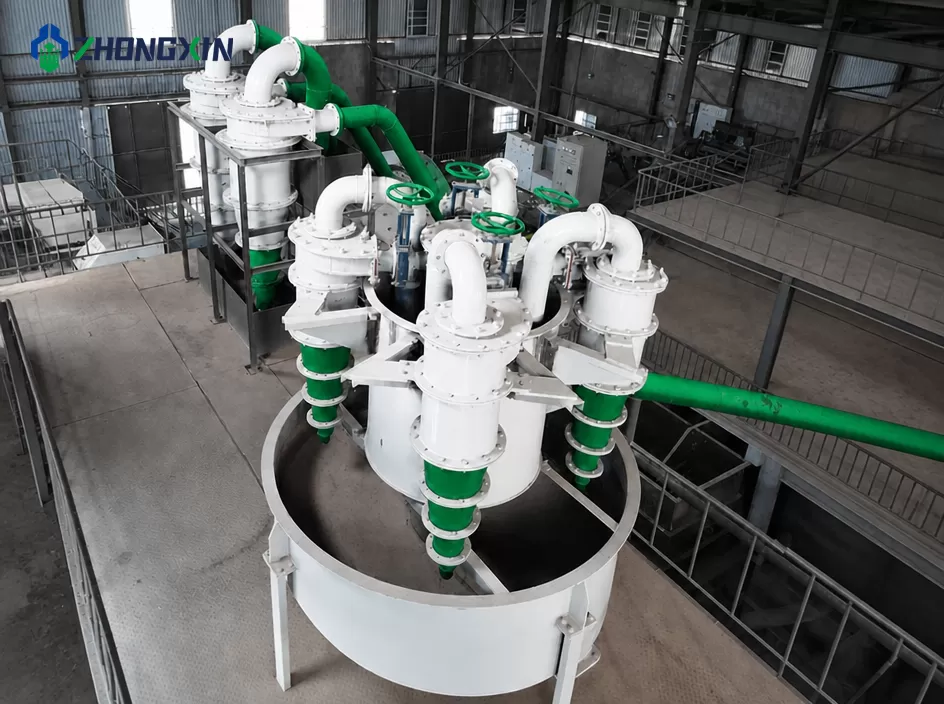
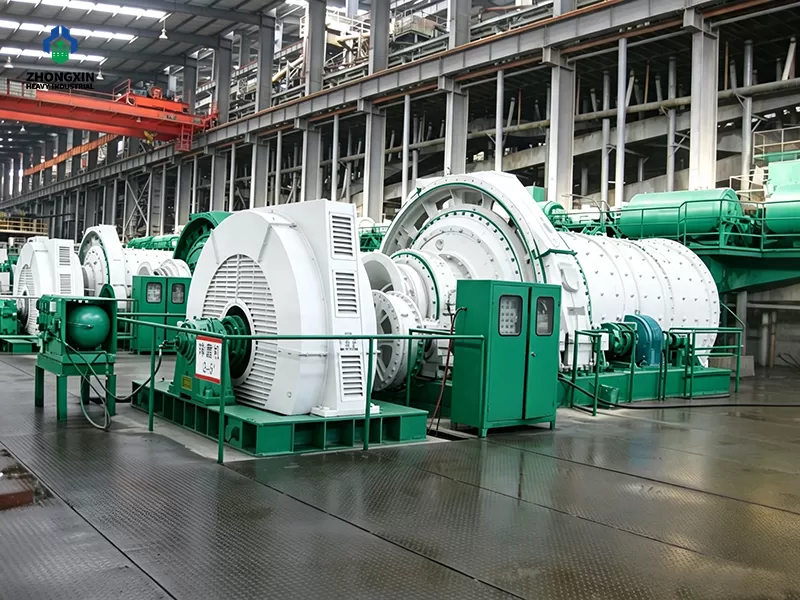
Precision Fine Grinding & Classification: Grinds quartz rock to 80%–90% passing -200 mesh, ensuring complete monomer liberation of sub-microscopic encapsulated gold.
3.CIL / CIP Agitated Leaching Tanks
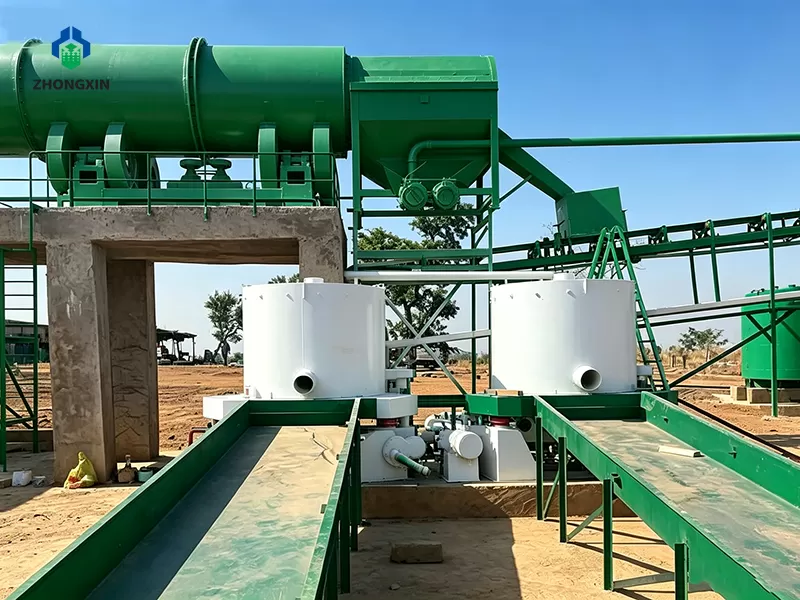
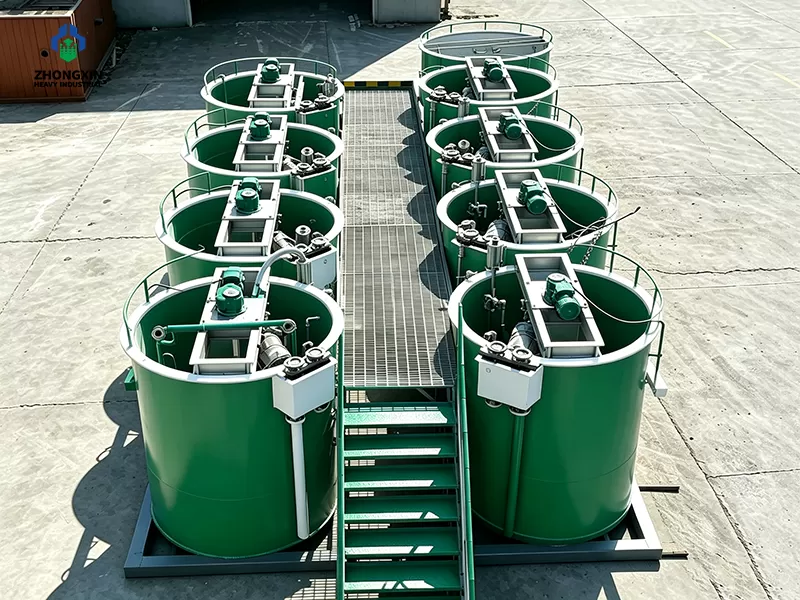
Dual-Impeller Agitation & Air Sparging: Keeps heavy slurry suspended uniformly while maintaining continuous carbon contact for maximum leaching kinetics and adsorption rates.
4.High-Pressure Desorption & Electrowinning System (Elution Unit)
Fast Stripping & High-Purity Gold Recovery: Desorbs gold from loaded activated carbon under high temperature and pressure, electroplating pure gold onto cathodes for easy smelting into Doré bars.
CIP vs. CIL Whole-Slime Cyanidation Processes
The whole-slime cyanidation process combines fine grinding slurries with activated carbon adsorption. Depending on the mineralogical characteristics of the gold ore, two primary flowsheets are utilized: CIP (Carbon-in-Pulp) and CIL (Carbon-in-Leach).
1. Carbon-in-Pulp (CIP) Process
Sequential Leaching & Adsorption: CIP is a step-by-step process where gold leaching and activated carbon adsorption take place sequentially.
Process Mechanism: The gold slurry first enters dedicated leaching tanks to undergo cyanidation, fully dissolving the gold elemental particles. The pregnant slurry then flows into separate carbon adsorption tanks to contact activated carbon.
Key Advantages: Carbon particles are not subjected to long-term abrasion inside the primary leaching circuit. Extending the preliminary leaching time increases overall gold dissolution rates, making CIP ideal for refractory or higher-sulfide gold ores requiring longer retention times.
2. Carbon-in-Leach (CIL) Process
Simultaneous Leaching & Adsorption: In the CIL circuit, gold dissolution and carbon adsorption occur concurrently within the same tank train.
Process Mechanism: Sodium cyanide (NaCN) and activated carbon are added simultaneously to the agitation tanks. As gold dissolves into the slurry, it is immediately adsorbed by the surrounding activated carbon.
Key Advantages: By capturing dissolved gold immediately upon dissolution, CIL prevents "preg-robbing"—the re-absorption of dissolved gold by natural carbonaceous matter present in the ore. CIL is the preferred method for easily leachable gold ores and carbonaceous gold ores.
Selection Rule of Thumb: CIP is preferred for gold ores with longer leaching residence time requirements or higher sulfide content, whereas CIL is favored for fast-leaching ores or ores with mild preg-robbing tendencies.
Ideal Gold Ore Types for Whole-Slime CIP / CIL Cyanidation
Low-Sulfur Quartz Vein Gold Ores:
Ores containing minimal sulfide minerals (e.g., low pyrite or arsenopyrite content). The exposed fine gold particles react directly with the cyanide solution, yielding exceptionally high gold extraction efficiency with recovery rates consistently exceeding 92%.
Coarse Free Gold & Low-Impurity Native Gold Ores:
Geological ore types composed predominantly of native gold or electrum with low levels of interfering contaminants (such as active sulfur, organic carbon, or soluble copper). Gold particles exposed on ore surfaces or along micro-fractures dissolve rapidly upon direct contact with alkaline cyanide solutions.
Complete Whole-Slime Cyanidation & Carbon Recovery Circuit
The whole-slime CIP/CIL processing flowsheet is engineered for high operational safety, simple process control, and maximum metallurgical yield through six core stages:
Slurry Pretreatment & Screening: Removal of trash, wood chips, and oversized debris to prevent carbon screen blinding.
Slurry Thickening & Pulp Conditioning: Dewatering in high-rate thickeners to adjust pulp density to 40%–50% solids prior to leaching.
Cyanide Leaching & Carbon Adsorption (CIP/CIL): Agitated leaching with dissolved oxygen/air sparging and counter-current activated carbon transfer.
Loaded Carbon Treatment (Desorption / Elution): High-temperature, high-pressure desorption stripping to strip gold from loaded carbon.
Electrowinning & Gold Smelting: Electroplating gold ions onto steel wool cathodes followed by induction furnace smelting to pour high-purity Gold Doré bars.
Tailings Treatment & Cyanide Destruction: Tailings dewatering, dry stacking, or chemical detoxification (e.g., INCO SO2/Air process) to comply with environmental standards.
1. Ore Pretreatment: Crushing, Grinding & Classification
Raw Ore Multi-Stage Crushing:
Run-of-mine (ROM) ore blocks (<600 mm) undergo a three-stage crushing circuit:
Primary Crushing: Heavy-duty Jaw Crushers reduce particle size down to 100–140 mm.
Secondary Crushing: Hydraulic Cone Crushers or fine jaw crushers further reduce feed size to <25 mm.
Tertiary Fine Crushing: High-Efficiency Fine Cone Crushers or High-Pressure Grinding Rolls (HPGR) bring the final crushed product down to <-15 mm.
Grinding & Hydrocyclone Classification:
Finely crushed ore is mixed with process water at a solid-to-liquid ratio of 1:1.5 to 1:2 and fed into a Ball Mill. The pulp is ground until 80%–90% passes -0.074 mm (200 mesh) to achieve complete monomer liberation of fine gold particles. The slurry is classified using a Hydrocyclone Cluster: overflow proceeds to pulp conditioning, while coarse underflow returns to the ball mill for closed-circuit regrinding.
2. Slurry Thickening & Chemical Conditioning
High-Rate Slurry Thickening:
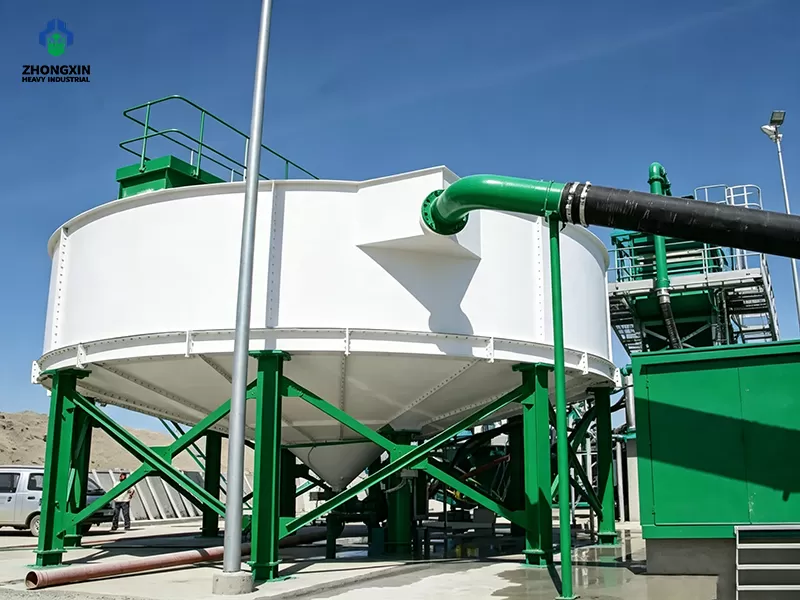
Overflow pulp from the classification stage enters a High-Rate Thickener for gravity settling, increasing slurry solid density from 20% to 40%–50% solids. This significantly reduces the volume of leaching tanks required downstream, saving energy and reagent costs. Flocculants such as Polyacrylamide (PAM) are added to accelerate particle settling speeds.
Pulp Conditioning & Reagent Addition:
Concentrated slurry enters agitation conditioning tanks. Lime (Ca(O)2) is added first to adjust pulp pH to an alkaline 10.5–11.5. This prevents the hydrolysis of cyanide into highly toxic hydrogen cyanide gas (HCN) while creating the optimal protective alkalinity for leaching. Next, Sodium Cyanide (NaCN) solution is introduced to maintain a leaching concentration of 0.02%–0.05%, ensuring rapid and complete gold dissolution.
3. Cyanide Leaching & Activated Carbon Adsorption (CIL vs. CIP)
While CIL (Carbon-in-Leach) performs leaching and carbon adsorption simultaneously in the same tank train, CIP (Carbon-in-Pulp) uses a two-stage design with independent leaching and adsorption circuits.
A. Cyanide Leaching Circuits
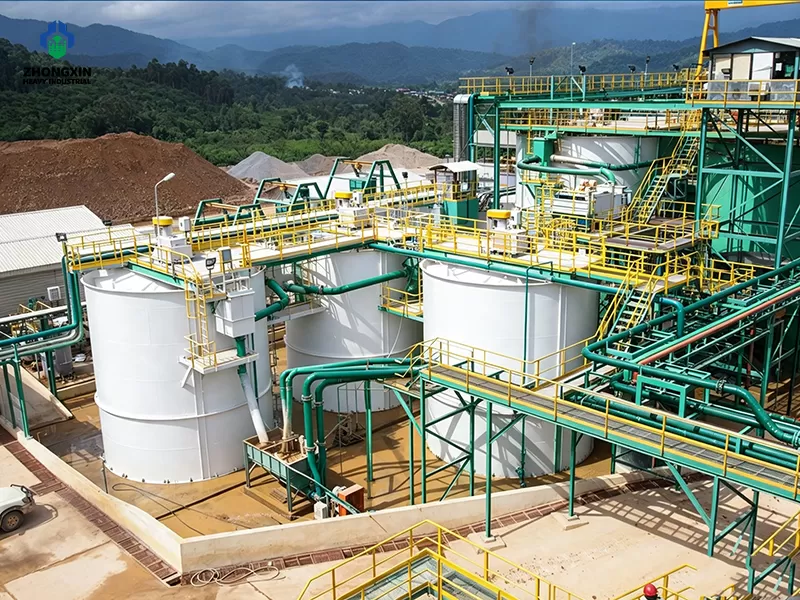
CIL System: Typically consists of 6 to 12 aerated agitation tanks connected in series. The first 3 to 5 tanks serve as the primary leaching section, while the remaining 3 to 7 tanks operate as the combined leaching-adsorption section. Slurry, lime, and cyanide enter the initial tanks to initiate gold dissolution.
CIP System: Features 4 to 8 separate aerated leaching tanks, followed by an intermediate thickener and a dedicated adsorption tank train. Slurry undergoes primary leaching to dissolve gold before dewatering in the thickener prior to entering carbon adsorption.
B. Counter-Current Activated Carbon Adsorption
CIL Carbon Management: Coconut shell activated carbon (12–20 mesh) is added starting from the 4th to 6th agitation tank. Slurry and carbon move counter-currently: fresh activated carbon is added to the final tank and pumped upstream toward earlier tanks, capturing dissolved gold-cyanide complexes [Au(CN)2]. Pregnant carbon fully loaded with gold is harvested from the lead CIL tank.
CIP Carbon Management: The CIP adsorption train comprises 3 to 6 agitation tanks in series. Fresh activated carbon enters from the lead tank and flows downstream with the slurry, becoming gradually saturated before loaded carbon is discharged, screened, and sent to the desorption circuit.
4. Loaded Carbon Treatment: Desorption, Electrowinning & Regeneration
High-Temperature & High-Pressure Desorption (Elution):
Loaded carbon is transferred to a desorption column and washed for 4–6 hours under high temperature and high pressure (150–160°C and 0.5–0.6 MPa). A circulating stripping solution containing 0.5% NaOH + 1% NaCN desorbs gold-cyanide complexes from the carbon matrix into solution, producing a high-grade pregnant liquor.
Gold Electrowinning (ELU Unit):
Pregnant solution enters electrowinning cells operating with direct current (DC) between stainless steel wire cathodes and lead anodes. Gold complexes gain electrons at the cathode, depositing as dense gold sludge. Barren solution is recycled back to the desorption system to minimize reagent consumption.
Activated Carbon Acid Washing & Thermal Regeneration:
Barren carbon undergoes dilute Hydrochloric Acid (HCl) washing to strip inorganic scale (calcium and magnesium carbonates). It is then fed into a rotary activation kiln heated to 600–800°C for 2–4 hours under an inert gas atmosphere to burn off residual organic matter, fully restoring the carbon's porous structure and adsorption activity before returning to the adsorption circuit.
5. Gold Sludge Refining & Doré Smelting
Gold Sludge Acid Pretreatment:
Gold sludge contains base metal impurities such as silver, copper, and iron. It is pretreated with nitric acid (HNO3) and hydrochloric acid (HCl)
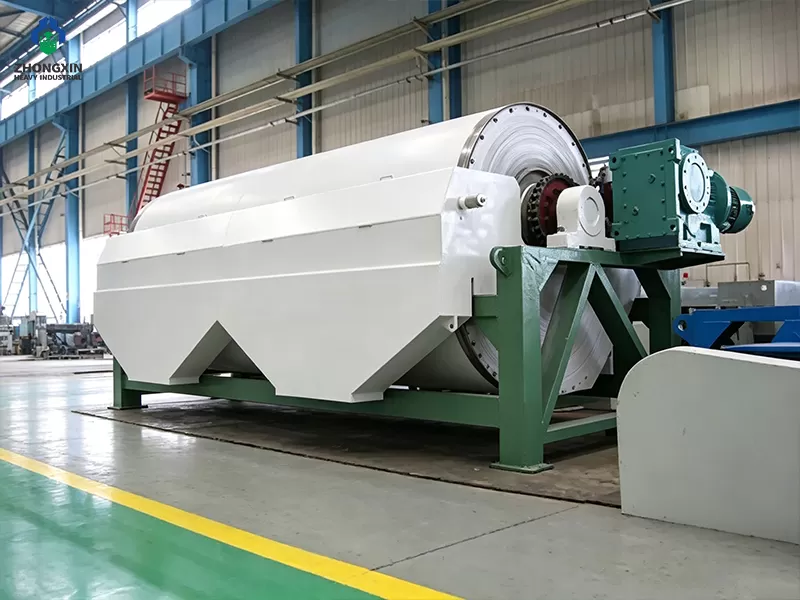
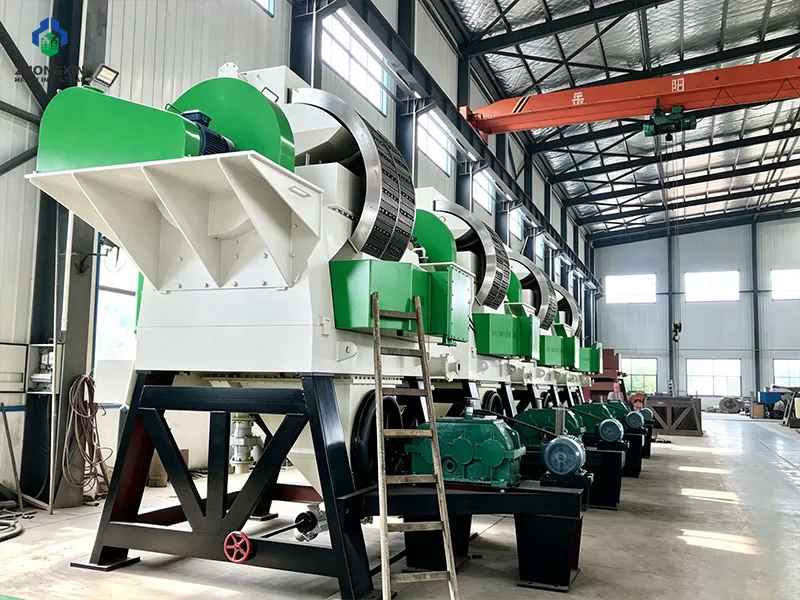
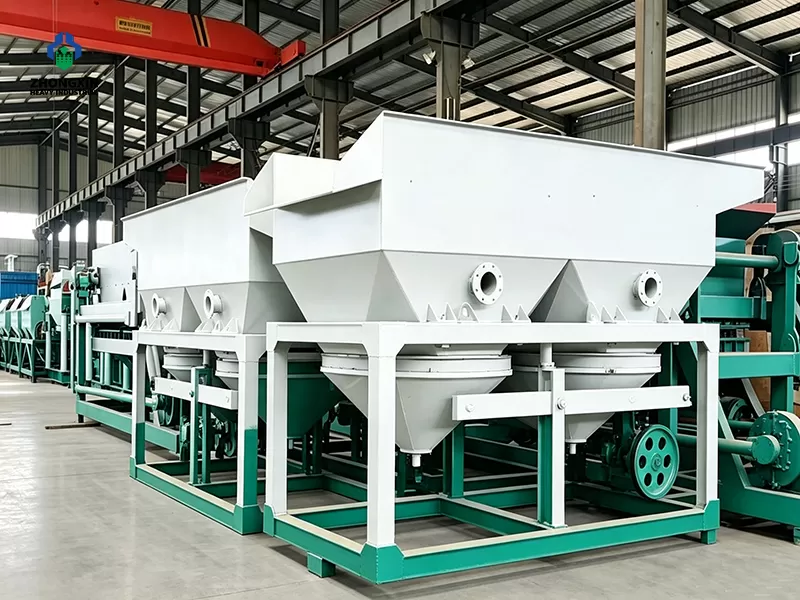
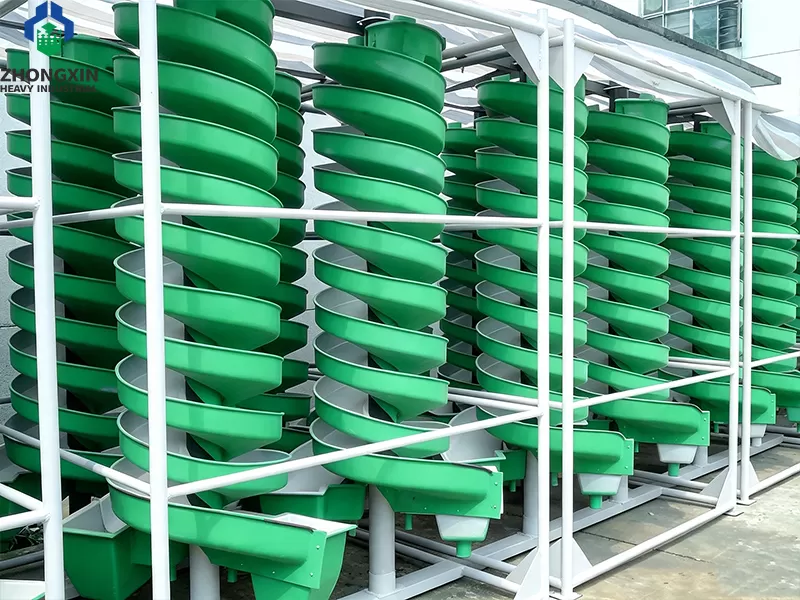
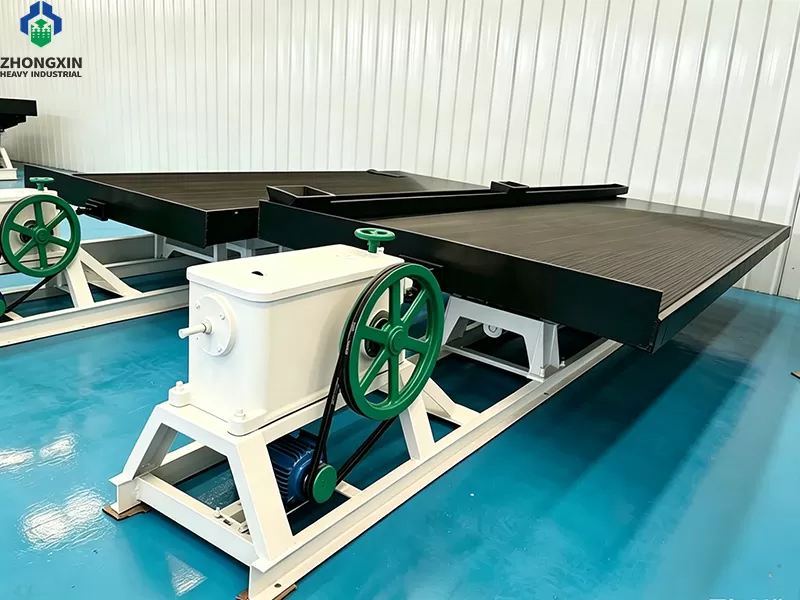
Optimize your mineral beneficiation circuit with our high-recovery mineral processing equipment. We manufacture heavy-duty grinding ball mills, spiral classifiers, hydrocyclones, froth flotation machines, and magnetic separators designed for processing gold, copper, iron, and manganese ores. Engineered for continuous duty and maximum mineral extraction efficiency, our machinery ensures reduced wear, lower power consumption, and improved concentrate grades across all hard-rock mining operations.
Discover custom-engineered mineral processing lines and complete aggregate production plant solutions tailored to your capacity and ore characteristics. From turnkey gold ore processing plants (CIP/CIL & flotation) and copper extraction lines to high-capacity sand-making and aggregate crushing circuits, we provide end-to-end flowsheets—integrating crushing, wet grinding, classification, and slurry dewatering. Partner with us for optimized plant layout design, factory-direct equipment supply, and maximum ROI.
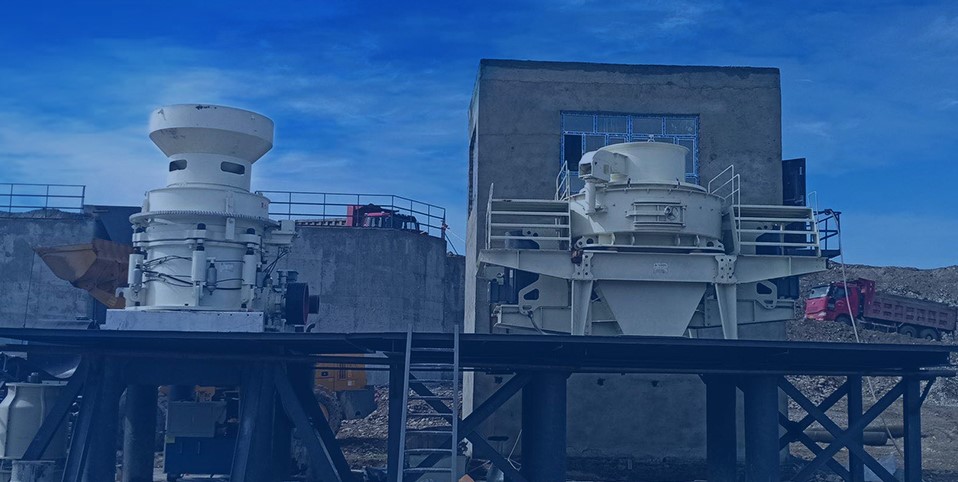
This section is designed to address the most pressing inquiries customers may have regarding the daily operation, maintenance, product advantages, and after-sales service of our cone crushers. Our aim is to help you gain a comprehensive understanding of our overall capabilities and enable you to make informed decisions for your projects.
Choosing Zhongxin genuine wear parts reduces downtime and significantly boosts your mining operation's ROI.

We help clients develop maintenance plans to solve issues before wear affects production.

We offer customized parts for materials like granite or gold ore, increasing wear resistance by 30%.

Leveraging our optimized supply chain, we promise the fastest delivery of parts to global sites.