Русский
 中文
中文 España
Zhongxin Heavy Industrial Machinery Co.,Ltd.
Review turnkey mineral processing and gold recovery plant installations engineered by Zhongxin Heavy. Detailed case studies cover gold CIP/CIL cyanidation lines, copper ore flotation circuits, iron ore magnetic separation, and gravity concentration systems—complete with process flowsheets, equipment configurations, and verified mineral recovery rates.
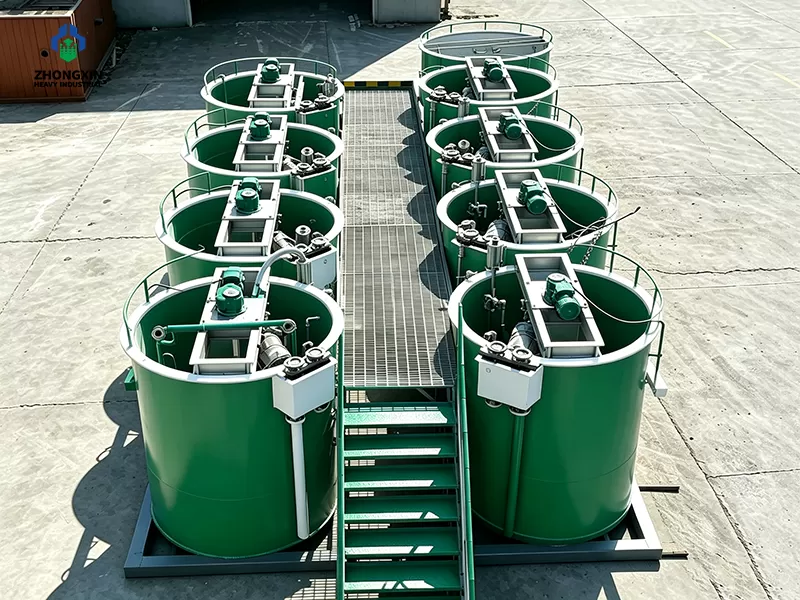
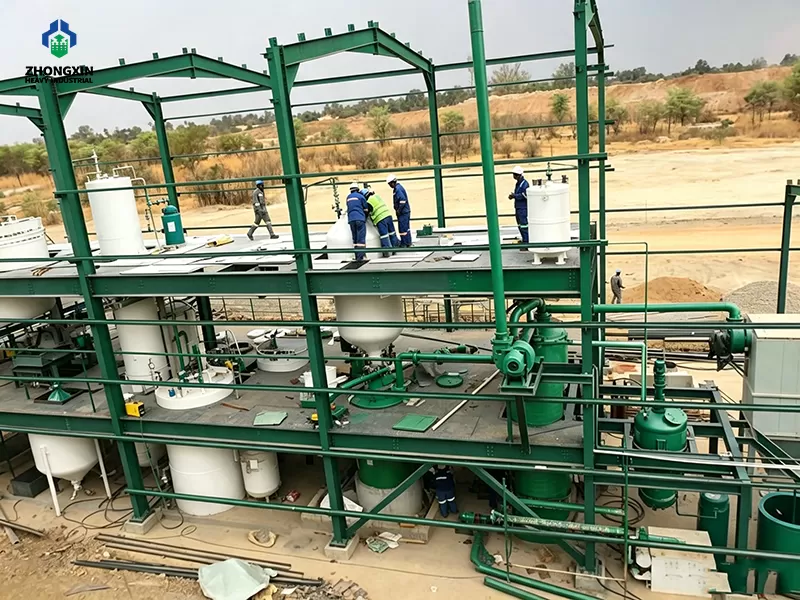
Zhongxin Heavy Industry designs turnkey oxidized copper beneficiation plants featuring engineered staged sulfidization flotation and direct collector recovery. From crushing and ball mill grinding to multi-cell flotation and slurry thickener dewatering, we provide customized mineral processing flowsheets for high-efficiency extraction of malachite, azurite, and complex oxide copper ores.


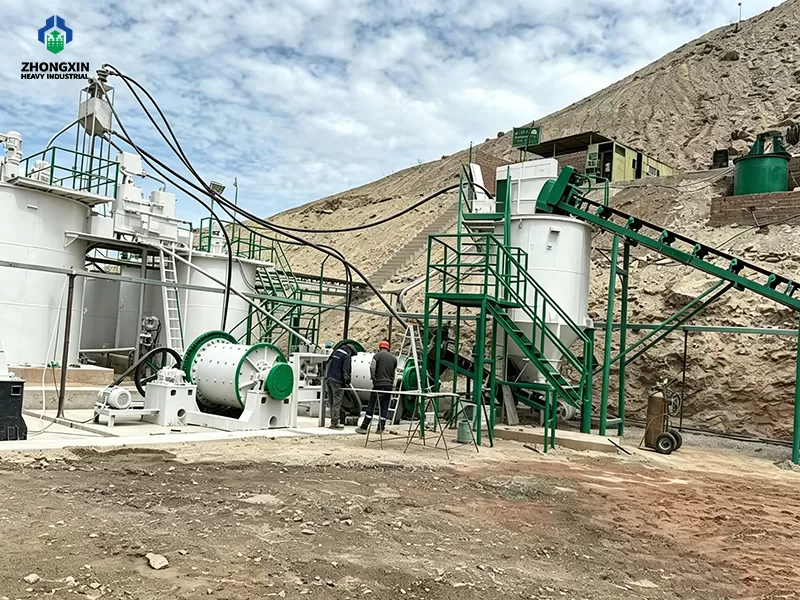
1. Technical Process Overview
The beneficiation of oxidized copper ores—predominantly copper carbonate minerals such as malachite, azurite, and cuprite—relies on a high-efficiency staged sulfidization flotation process within finely ground pulp slurries under precisely controlled pH conditions.
Stage 1: Staged Sulfidization & Activator Conditioning
Sulfidizing agents such as sodium sulfide (Na2S), hydrogen sulfide (H2S), or calcium sulfide (CaS) are added to the ore pulp to convert oxidized copper surfaces into artificial copper sulfide films. Because sulfidizing reagents oxidize rapidly and feature short reaction windows, they are added in staged dosing points. To maximize surface sulfidization kinetics and flotation efficiency, activating reagents such as ammonium sulfate ((NH4)2SO4) and aluminum sulfate (Al2(SO4)3) are combined during the slurry conditioning stage.
Stage 2: Collector Selection & Froth Flotation Recovery
Following surface sulfidization, high-selectivity xanthate collectors—including higher xanthates, ethyl xanthate, dithiophosphates (Aerofloat / black dyes), and fatty acid collectors—are introduced into the flotation bank. This achieves effective mineral enrichment and yields high-grade copper concentrate with superior recovery rates.
Special Pretreatment Notice for Chrysocolla
Engineering Note: While carbonate copper minerals (malachite and azurite) respond excellently to staged sulfidization flotation, silicate-bearing chrysocolla (CuSiO3·nH2O) requires specialized chemical pretreatment. Without targeted activation, conventional sulfidization efficiency is severely compromised or completely ineffective.
2. Process Breakdown & Reagent Scheme
Sulfidization Flotation Reagent Scheme for Oxidized Copper
| Process Stage | Key Reagents Used | Target Function & Mineralogy |
| Sulfidization | Sodium Sulfide (Na2S), Hydrogen Sulfide (H2S), Calcium Sulfide | Converts oxide mineral surfaces into reactive copper sulfide films. |
| Activation Boosters | Ammonium Sulfate, Aluminum Sulfate | Enhances sulfidization rate and overcomes fast reagent oxidation. |
| Flotation Collectors | Higher Xanthates, Ethyl Xanthate, Dithiophosphates, Fatty Acids | Selectively hydrophobicizes sulfidized copper minerals for froth extraction. |
| Target Minerals | Malachite, Azurite, Cuprite | High-response copper carbonate and oxide ores (>85\% recovery). |
| Special Pretreatment | Tailored activator reagents / Chelation agents | Required for silicate-type chrysocolla prior to sulfidization. |
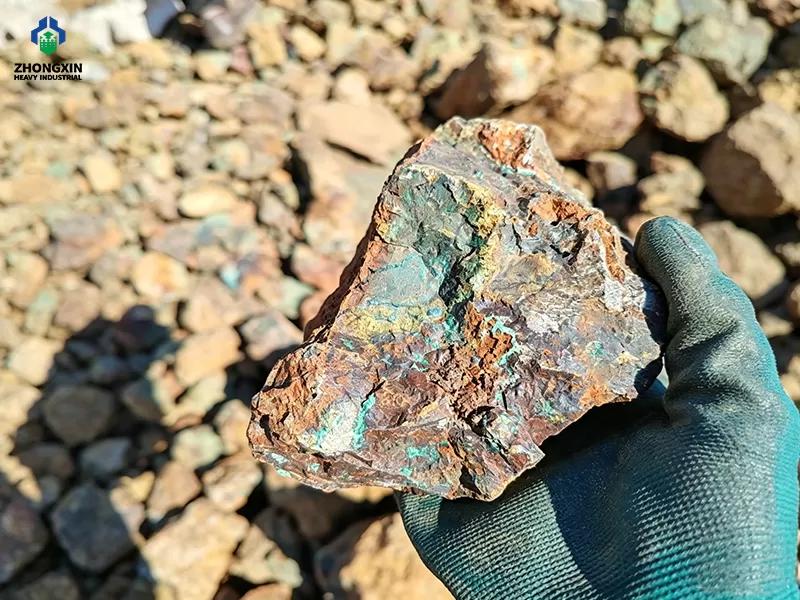
Typical Oxidized Copper Minerals & Characteristics
Mineralogical Characteristics of Typical Oxidized Copper Ores
| Typical Oxide Copper Mineral | Mineralogical & Physical Characteristics |
| Malachite (Cu₂CO₃(OH)₂) | Features a vibrant, bright emerald-green color with a silky or vitreous luster. Belonging to the monoclinic crystal system, it commonly occurs in acicular (needle-like) or columnar crystal aggregates resembling the green patterns of peacock feathers. |
| Azurite (Cu₃(CO₃)₂(OH)₂) | Exhibits a deep azure-blue color with a vitreous luster. It forms in a monoclinic crystal structure, typically appearing as short columnar or thick tabular crystals. Azurite commonly coexists with malachite under similar oxidation conditions. |
| Cuprite (Cu₂O) | Displays a color range from crimson red to nearly black, with a sub-metallic or adamantine luster. It belongs to the isometric crystal system, most frequently forming octahedral crystals within the oxidation zone of copper deposits as a primary derivative of copper sulfide weathering. |
Direct Flotation Methods & Reagents for Oxidized Copper Ores
Direct flotation is a primary processing route for oxidized copper ores dominated by carbonate minerals like malachite and azurite. Depending on the ore's gangue composition and mineral surface properties, specific combinations of fatty acid collectors, xanthate reagents, amine collectors, and frothers are utilized to achieve optimal froth flotation enrichment.
Direct Flotation Methods & Reagent Specifications
Direct Flotation Methods & Reagents for Oxide Copper Processing
| Direct Flotation Method | Suitable Oxide Copper Minerals | Reagent Characteristics & Functions |
| Fatty Acid & Xanthate Collector Flotation (Flotación con colectores de ácidos grasos y xantatos) | Oxidized copper ores consisting predominantly of malachite and azurite. | Utilizes fatty acid collectors alongside high-selectivity xanthates—such as potassium ethyl xanthate (PEX) and butyl xanthate (PBX)—as well as dithiophosphate collectors like butylammonium dithiophosphate (Dithiophosphate 25 / Black Powder) for enhanced hydrophobicity. |
| Amine Collector & Frother Flotation (Flotación con aminas y espumantes) | Oxidized copper ores composed mainly of malachite, azurite, and silicate-associated copper. | Employs cationic amine collectors paired with frothers like pine oil (terpineol) or MIBC. These frothers generate stable, uniform micro-bubbles that allow copper-laden froth to rise smoothly to the slurry surface for effective skimming. |
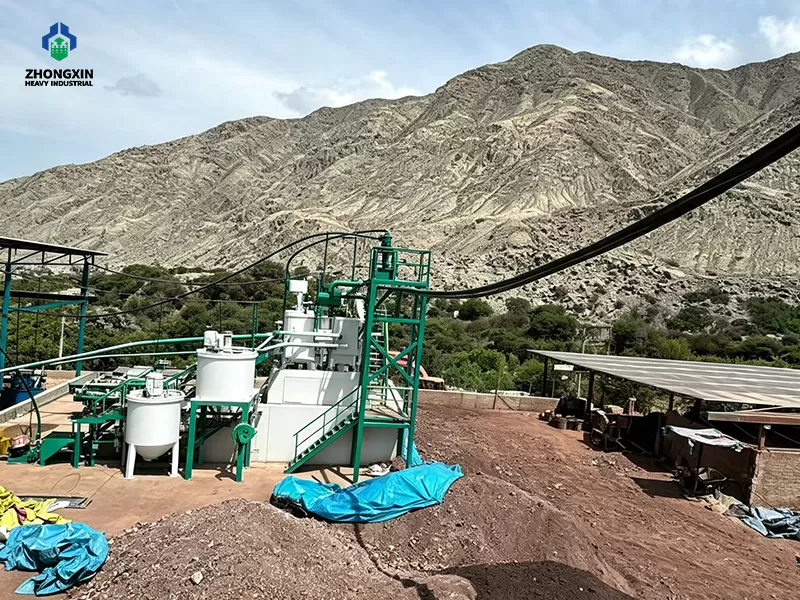
Sulfidization flotation is the most widely adopted and cost-effective commercial process for recovering oxide copper minerals (such as malachite and azurite). By chemically modifying the mineral surface using a sulfidizing agent, oxide copper particles are transformed to exhibit flotation characteristics similar to copper sulfide minerals.
Chemical Principles of Sulfidization Flotation for Oxide Copper Ores
| Flotation Process | Reaction Mechanism & Chemical Principle |
| Sulfidization Agent Flotation (Flotación con agente sulfurante) | 1. Surface Modification Film Formation: Adding a sulfidizing agent (such as sodium sulfide, Na2S) to the ore slurry chemically reacts with the surface of oxide copper particles, forming a thin, highly reactive copper sulfide film (CuS). 2. Surface Hydrophobicity Activation: This artificial sulfide film alters the surface properties of the oxide mineral, rendering it structurally similar to sulfide copper minerals. Conventional sulfide copper collectors—such as xanthates (butyl/ethyl xanthate)—are then introduced. 3. Chemical Binding & Mineral Recovery: The sulfur atoms in the xanthate collector molecules chelate chemically with the copper ions on the newly formed sulfide film surface, forming a strongly hydrophobic layer. When air is sparged into the flotation cell, mineral particles attach to the rising froth and float to the pulp surface, achieving efficient separation from barren gangue minerals. |
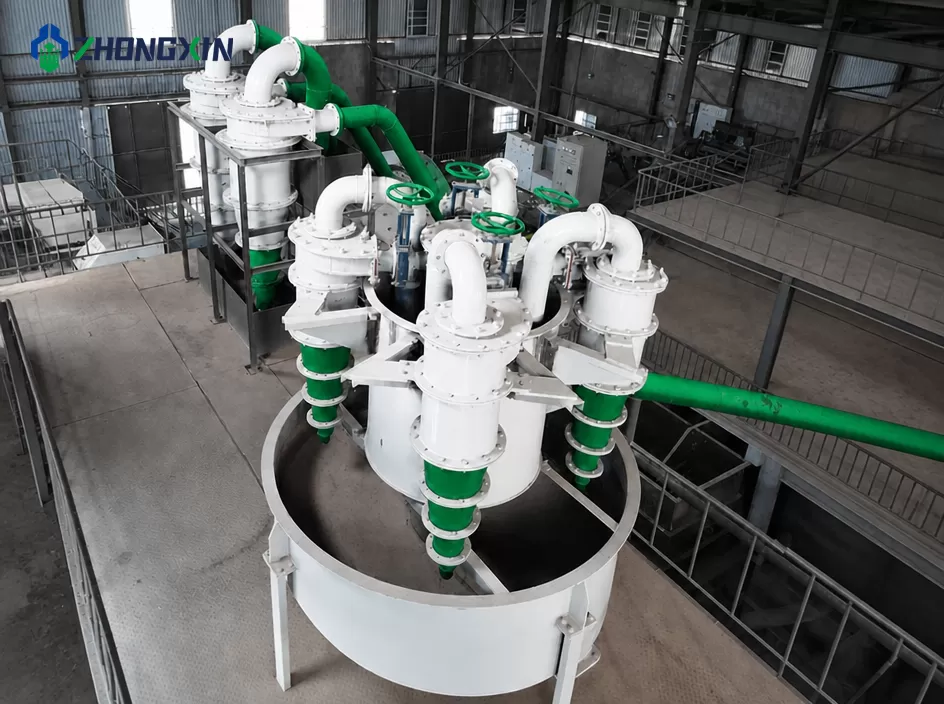
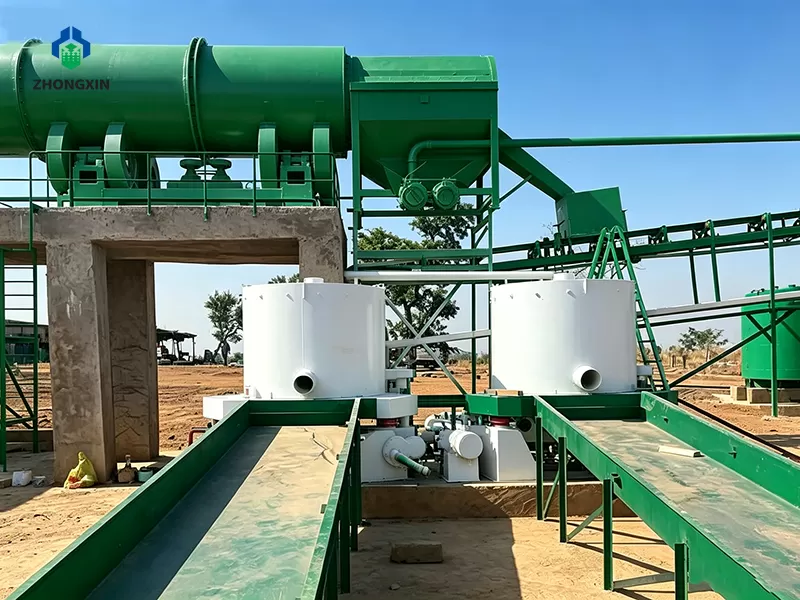
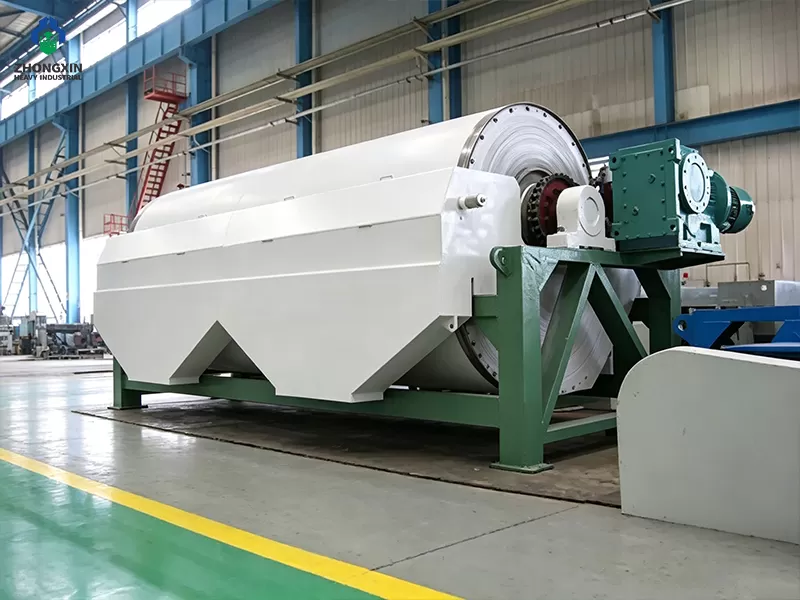
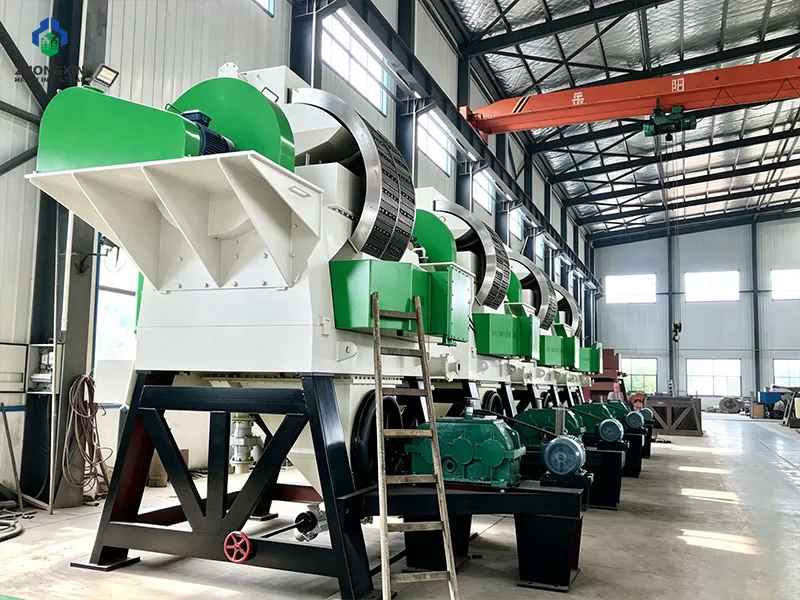
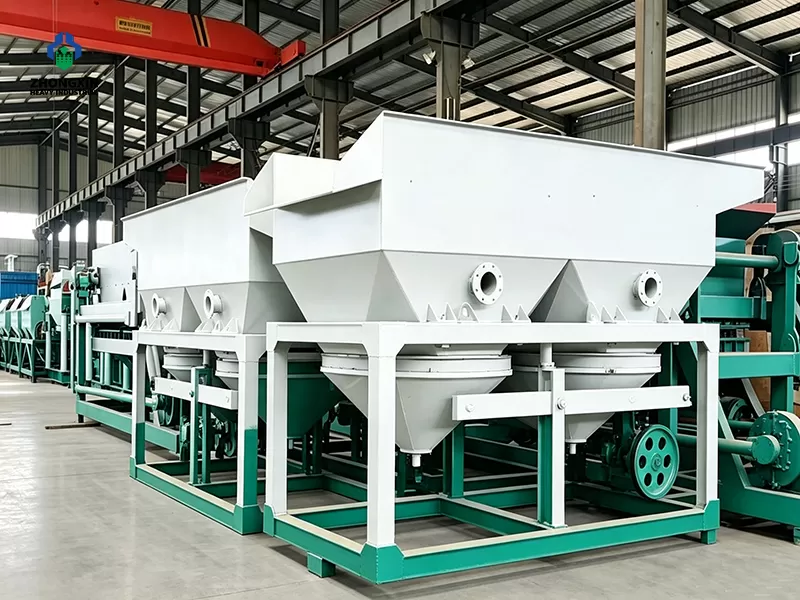
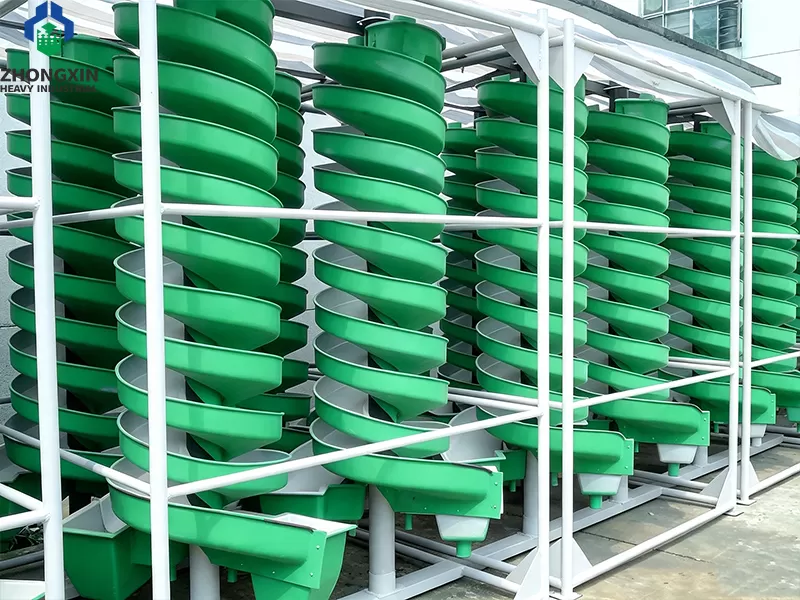
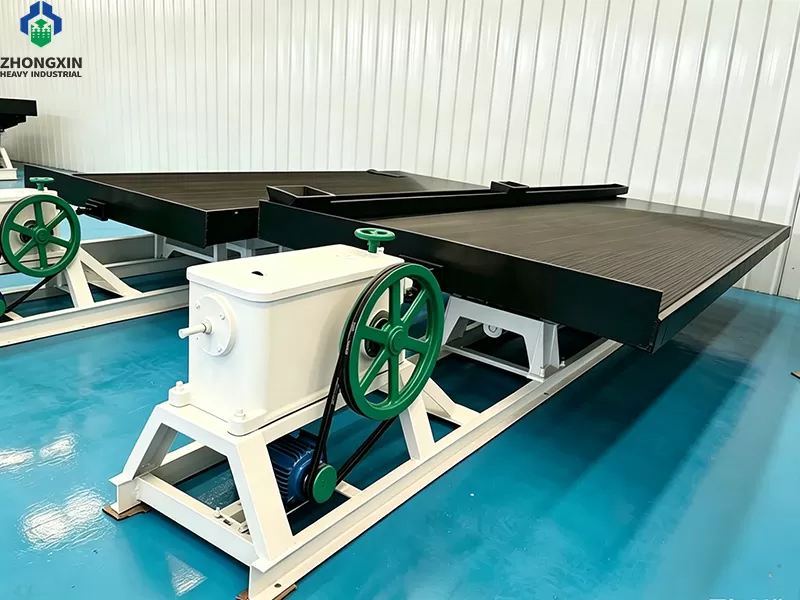
Optimize your mineral beneficiation circuit with our high-recovery mineral processing equipment. We manufacture heavy-duty grinding ball mills, spiral classifiers, hydrocyclones, froth flotation machines, and magnetic separators designed for processing gold, copper, iron, and manganese ores. Engineered for continuous duty and maximum mineral extraction efficiency, our machinery ensures reduced wear, lower power consumption, and improved concentrate grades across all hard-rock mining operations.
Discover custom-engineered mineral processing lines and complete aggregate production plant solutions tailored to your capacity and ore characteristics. From turnkey gold ore processing plants (CIP/CIL & flotation) and copper extraction lines to high-capacity sand-making and aggregate crushing circuits, we provide end-to-end flowsheets—integrating crushing, wet grinding, classification, and slurry dewatering. Partner with us for optimized plant layout design, factory-direct equipment supply, and maximum ROI.
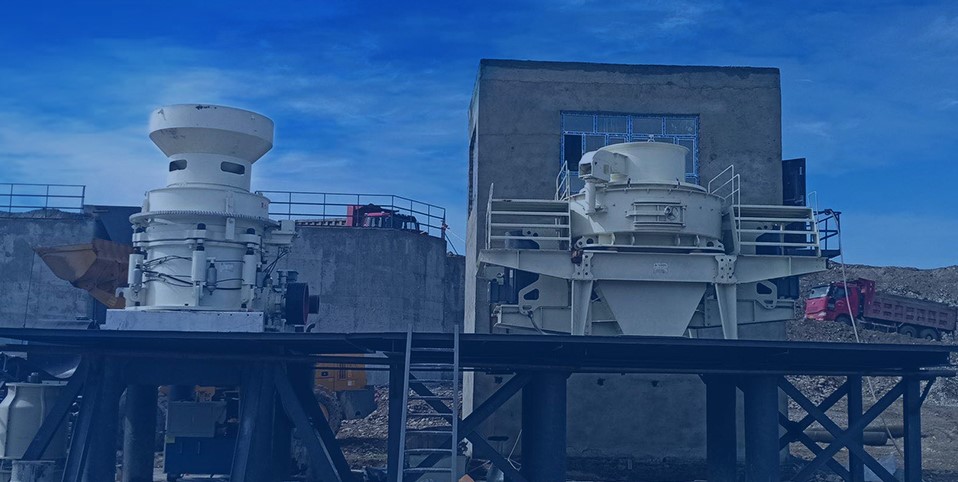
This section is designed to address the most pressing inquiries customers may have regarding the daily operation, maintenance, product advantages, and after-sales service of our cone crushers. Our aim is to help you gain a comprehensive understanding of our overall capabilities and enable you to make informed decisions for your projects.
Choosing Zhongxin genuine wear parts reduces downtime and significantly boosts your mining operation's ROI.

We help clients develop maintenance plans to solve issues before wear affects production.

We offer customized parts for materials like granite or gold ore, increasing wear resistance by 30%.

Leveraging our optimized supply chain, we promise the fastest delivery of parts to global sites.